waguide
EN

Waguide

Catalogue · The British Museum

Select an exhibit, read its story and find it on the route.

The catalogue features all 26 exhibits. The first 19 stories are available in full; the last seven are presented in excerpts, with the rest available in the mobile app.

0101–19 · The full story19 · exhibits
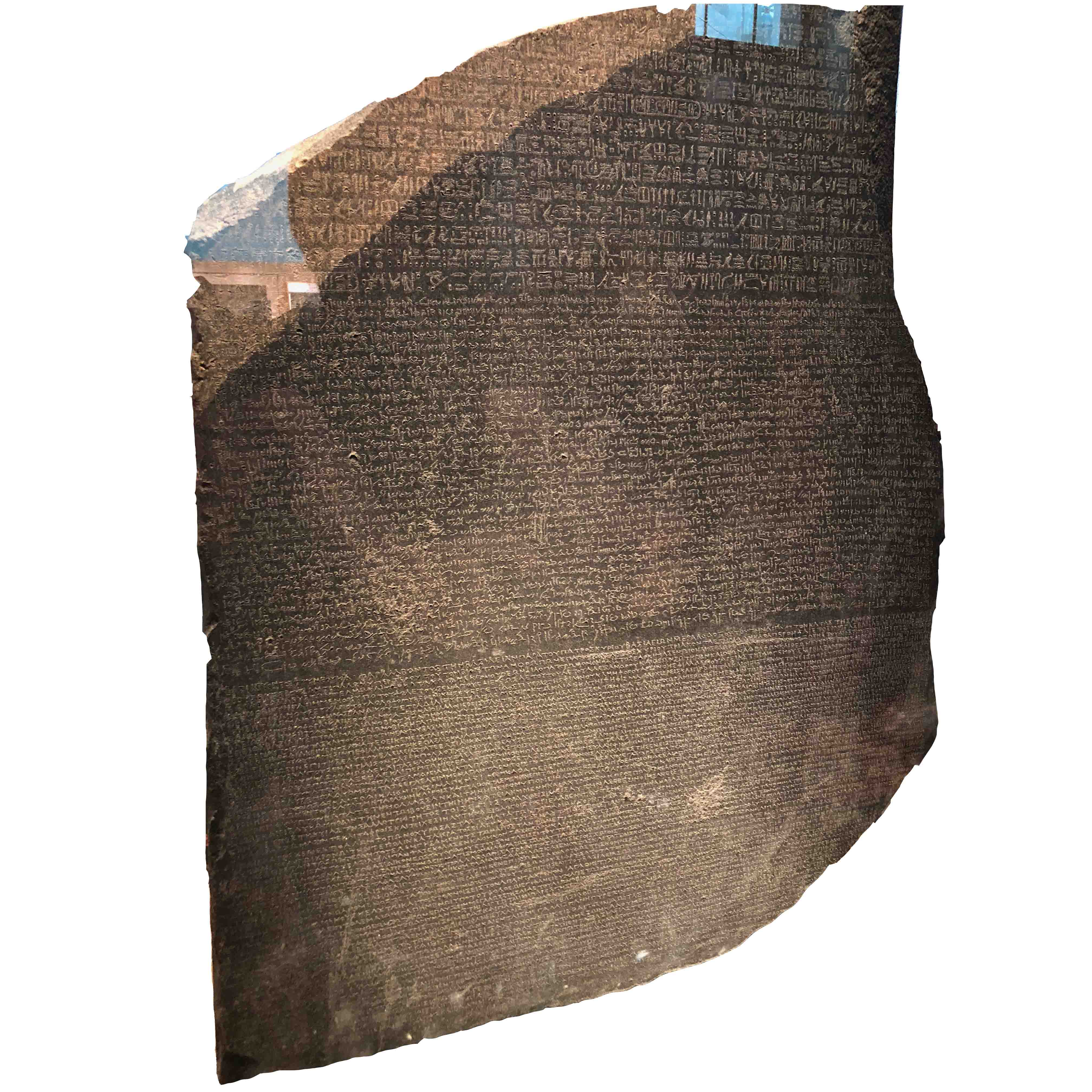
01 The Rosetta StoneHall 4 · Sculptures of Ancient EgyptThe full story

196 BC

British Museum audio guide

The Rosetta Stone is a monolithic slab of rock similar to granite. It is a boulder covered with small, barely discernible inscriptions in three languages. The first text is inscribed in Ancient Greek, the second consists of hieroglyphs, and the third is written in Demotic script—simplified hieroglyphs. The 760-kilogram stone was discovered by a French captain during the construction of a fort near Rosetta at the Nile Delta, and he immediately realized that this was a great find. The slab was immediately sent to Cairo, to the Egyptian Institute, and then to the British Museum. Scholars set out to decipher the written symbols. They determined that in 196 B.C., Egyptian priests carved a text on the Rosetta Stone dedicated to the ruler Ptolemy V Epiphanes. However, due to damage, none of the texts have survived in their entirety. Deciphering the Demotic script was no trouble at all, whereas the hieroglyphic text remained completely incomprehensible. To everyone, these were unknown symbols that had lost their meaning with the demise of the ancient Egyptians. For everyone, that is, except for the young Egyptologist Jean-François Champollion. Two hundred years ago, he deciphered the hieroglyphs using his knowledge of ancient Greek. The scholar compared the three texts, calculating the meaning of each hieroglyph. His stunning 1841 report to the Paris Academy of Inscriptions, stating that the hieroglyphs on the Rosetta Stone were indeed legible, marked the beginning of Egyptology.

Original author’s text, preserved unchanged.
This story is part of the itinerary Take a closer look.
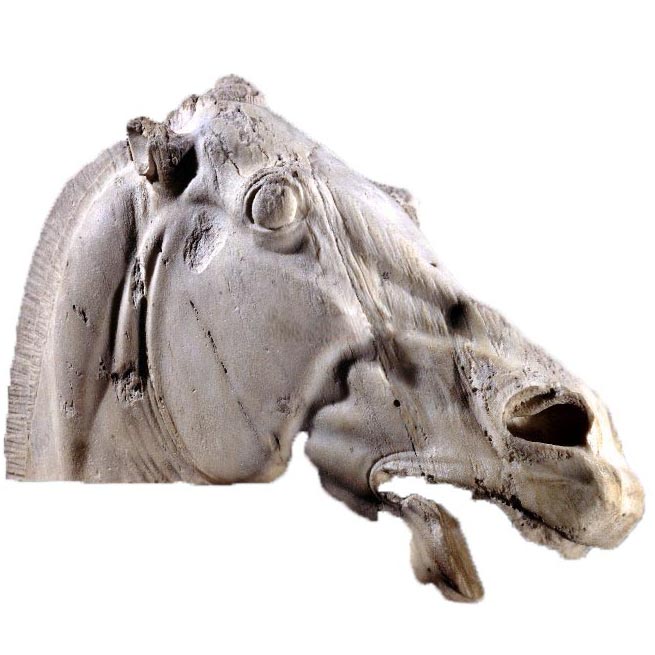
02 Horse's HeadHall 18 · ParthenonThe full story

438 BC

British Museum audio guide

The horse’s head is the only surviving part of the marble pediment titled “The Birth of Athena,” created by the ancient Greek sculptor Phidias. Phidias worked meticulously, capturing in stone the fundamental nature of mythological characters and their important role in shaping the worldview. In other words, he brought myths to life, personifying them by giving them concrete forms and features familiar to the human eye. For example, on the pediment of “The Birth of Athena,” he carved the sun god Helios from marble, emerging from the sea in a chariot drawn by horses.In the right corner of the pediment, another chariot was depicted. In it, its mistress—the moon goddess Selene—leaves the sky at sunrise, yielding her celestial domain to Helios until evening. It is the head of one of Selene’s horses that we see before us now.Thanks to the sculpture’s stunning realism, the horse before us seems almost alive—graceful, noble, and expressive. Though thin and weary, it is undeniably beautiful. Incidentally, the German poet Johann Goethe was convinced that this very sculpture was the most perfect depiction of a horse in existence.

Original author’s text, preserved unchanged.
This story is part of the itinerary Read the story
03 Ramses IIHall 4 · Sculptures of Ancient EgyptThe full story

1250 BC

British Museum audio guide

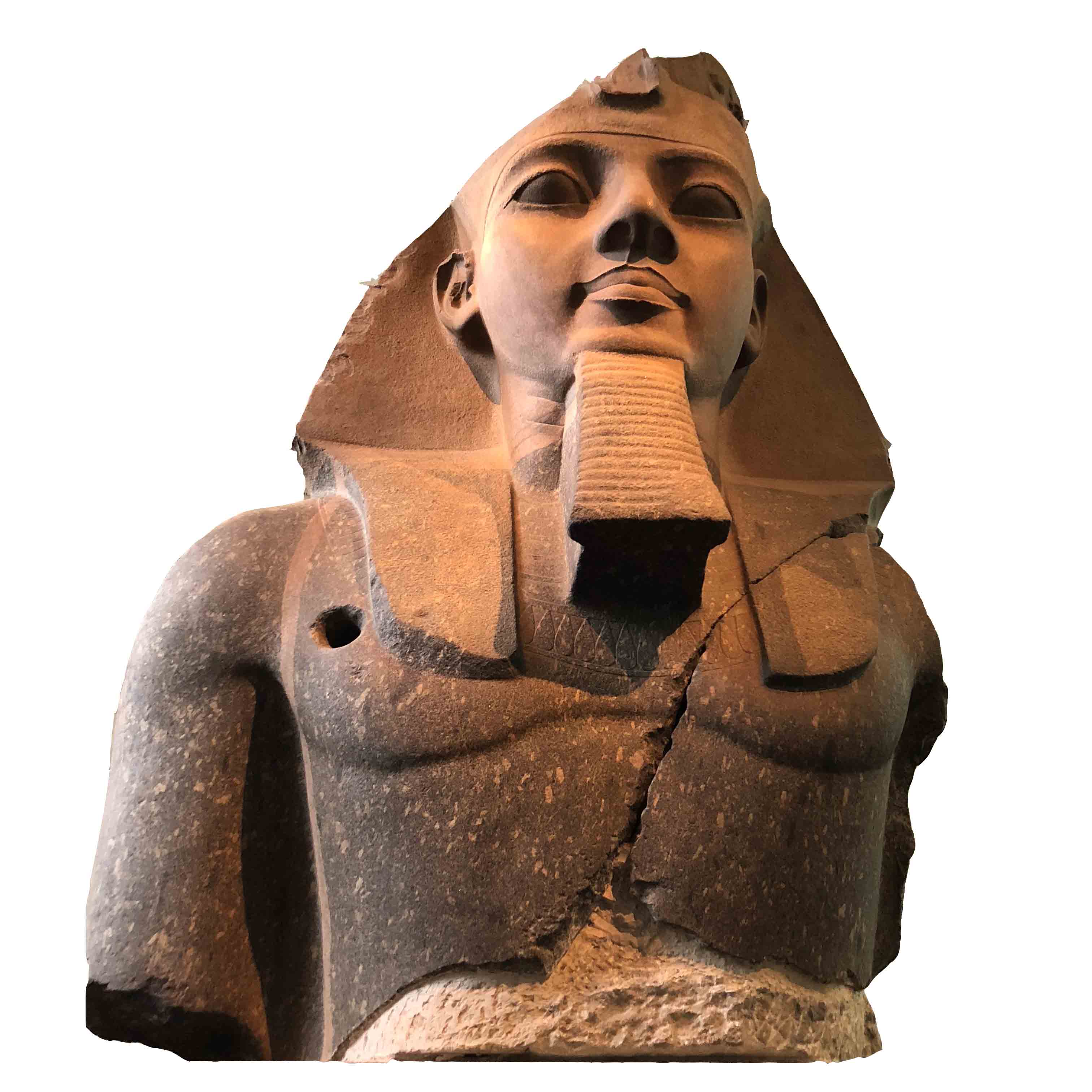
The statue of Pharaoh Ramses II, created in the 13th century BCE from red granite, is an outstanding creation of ancient Egyptian sculptors. Celebrating the ideal pharaoh, the monument embodies the splendor of art that flourished precisely under Ramses II. He was the third king of the 19th Dynasty, a wise man who understood the importance of culture for the country. To adorn the kingdom, he built temples and palaces with luxurious colonnades throughout Egypt.Ramses II conquered Syria, waged a long war against the Hittite kingdom, and, having defeated the Hittites, maintained peace through marriage. Although Ramses’s first and principal wife was Nefertari Merenmut, he also married two Hittite princesses.Ramses II reigned for 67 years, dying in 1212 BCE, outliving twelve of his sons and passing the throne to the thirteenth—Merenptah.Ramses was undoubtedly ambitious; he was flattered that even during his lifetime he was deified, being called the sun on earth. And even after his death, his cult lived on in Egypt for another entire millennium.

Original author’s text, preserved unchanged.
This story is part of the itinerary Read the story
04 Lewis Chess SetHall 40 · EuropeThe full story

1150-1200 AD

British Museum audio guide

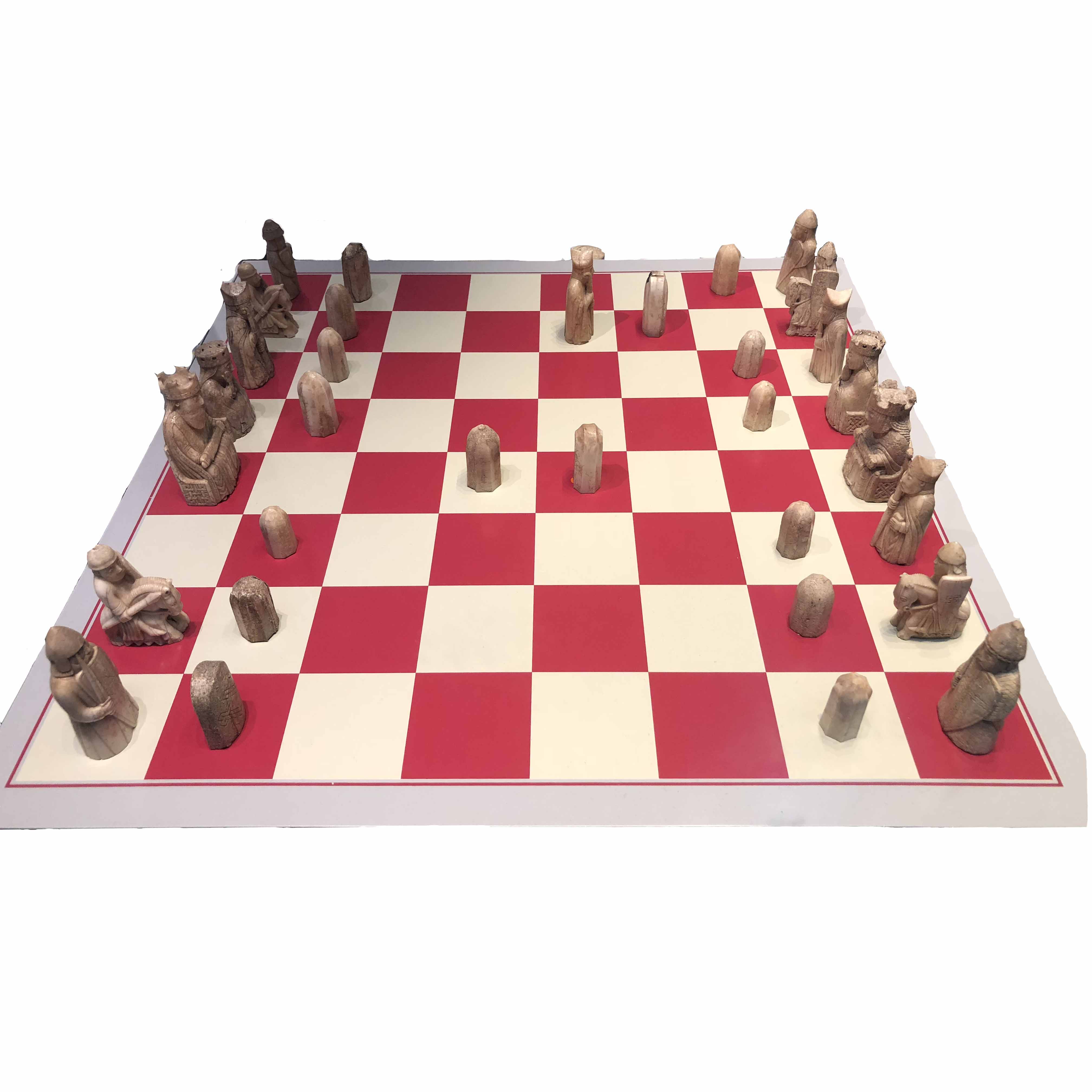
Before us are 78 large chess pieces, handcrafted by a medieval Norwegian master between 1150 and 1200.The chess pieces are carved from walrus tusk and whale tooth—materials commonly used at the time. The pieces were accidentally discovered on a Scottish island by a farmer, who hastily sold the find to a merchant. Since then, the pieces have been auctioned off on multiple occasions until they eventually found their way to the Scottish and British museums. Incidentally, these pieces could also have been used in hnefatafle—a Scandinavian board game similar to both chess and checkers. Each piece possesses a sculptural aesthetic, as if they were miniature versions of actual statues. We see long-haired kings on thrones, queens holding cups, bishops in miters, mounted knights with shields and spears, guards with swords, and pawns shaped like pyramids. The pieces are sturdy and somewhat angular—this is likely how the ancient Scandinavians saw themselves. They transferred their warlike nature and severity into art, transforming the chessboard into an imaginary battlefield.

Original author’s text, preserved unchanged.
This story is part of the itinerary Read the story
05 Hoa-Haka-Nana-IAHall 24 · Life and DeathThe full story

1000 AD

British Museum audio guide

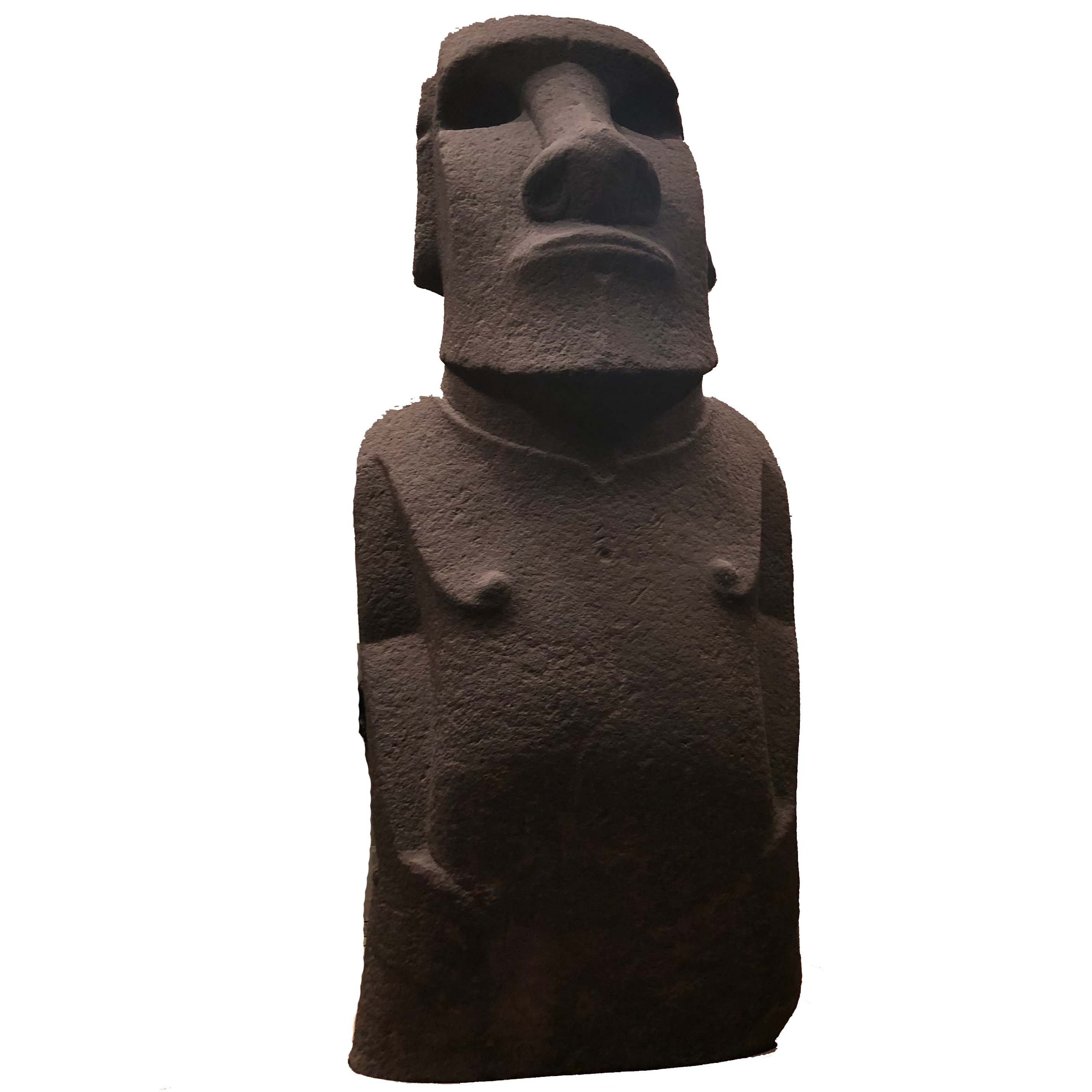
Before us is a statue called Hoa Hakananai, carved from a block of gray lava and found on Easter Island. This land is known for thousands of similar monuments, but experts have named this particular statue the finest example of the island’s indigenous sculptural art. The name of the monument translates to “stolen or hidden friend.” The 2.5-meter-tall statue depicts a man with a heavy forehead, a large nose, a defined chin, slender arms, and a slightly rounded belly. Today, the statue’s eye sockets are empty, but originally the eyes were inlaid with red stones, and the entire figure was covered in red and white paint. The statue stood in the open air, although its lower part likely stood inside a ceremonial building. The statue faced the extinct volcanic crater of Rano Kau, with its back turned toward the ocean. It is difficult to determine the statue’s age, but it is known that similar sculptures began to be made here in the year 1000 and ceased in 1600, when the islanders themselves began to destroy the once-revered idols. Very recently, American scientists made a phenomenal discovery—all these statues may have served as soil fertilizer for the indigenous people. Chemists analyzed the basalt from which the statues at the foot of the volcano on the island were made, and it turned out that they contain calcium and phosphorus, which are necessary for plant growth. Noticing that crops ripened better near the volcanic basalt statues, the indigenous people may have come to believe in the statues’ influence on the fertility of the land. Thus, these figures appeared everywhere, as a form of worship for an unknown deity that aided in agriculture.

Original author’s text, preserved unchanged.
This story is part of the itinerary
06 David's VasesHall 95 · Chinese Ceramics: The Collection of Sir David PercivalThe full story

1351 AD

British Museum audio guide

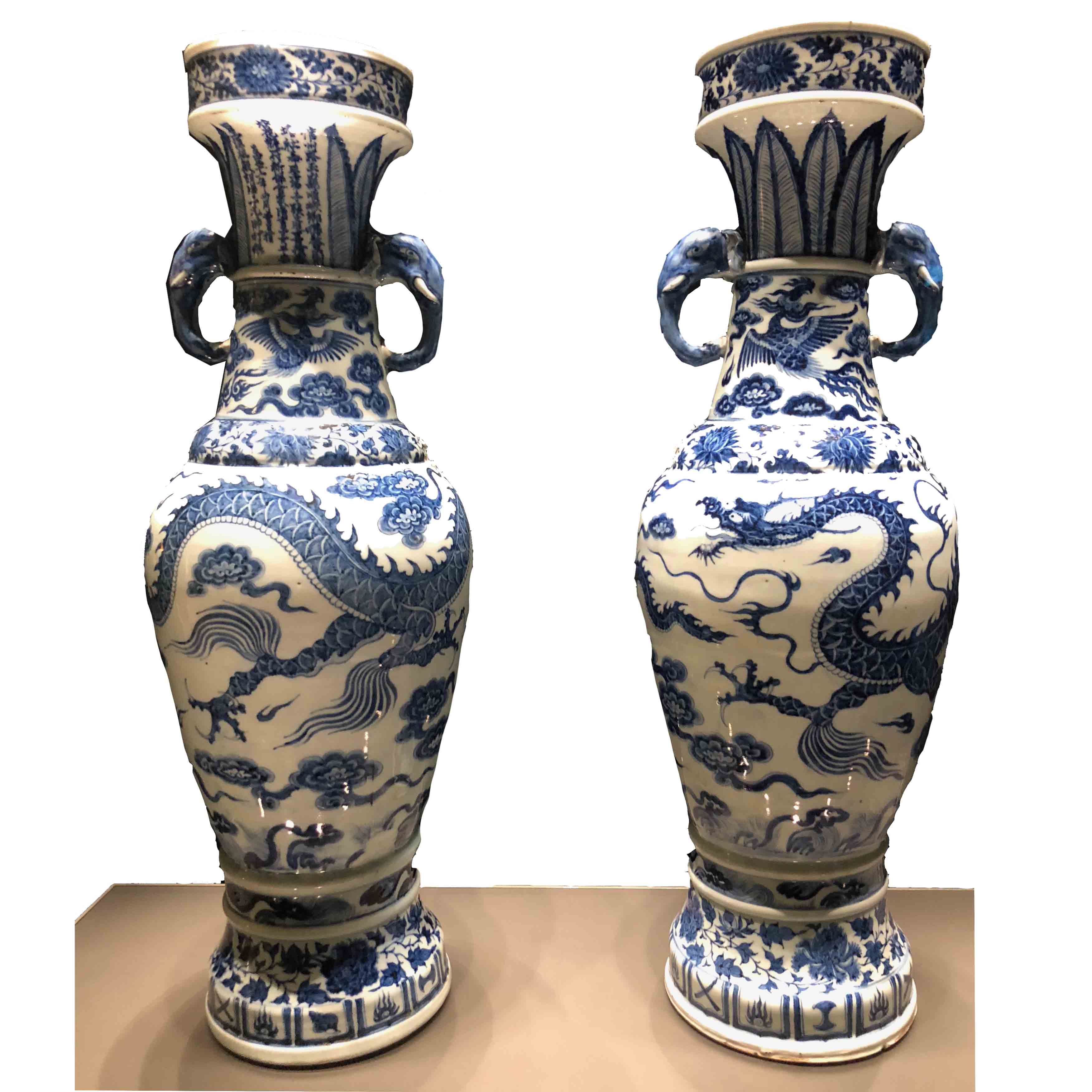
David Vases are the most famous example of blue-and-white Chinese porcelain. They were created for the altar of a Taoist temple in 1351. The master painted them with bluish-blue cobalt using the finest brush, without any preliminary sketches or stencils.The tall, rounded vases are bordered by a delicate, precise design. The vessels depict dragons with clawed paws and open mouths, surrounded by matching ornamental and floral patterns. Such intricate interweaving of images became extremely popular during the Ming Dynasty. In the 14th century, China became the birthplace of the technique used to create blue-and-white ceramics. It was precisely these pieces, upon reaching Europe, that sparked a veritable surge in majolica replicas—painted ceramic tableware and decorative items.

Original author’s text, preserved unchanged.
This story is part of the itinerary
07 The Nereids MonumentHall 17 · The Nereids MonumentThe full story

390 BC

British Museum audio guide

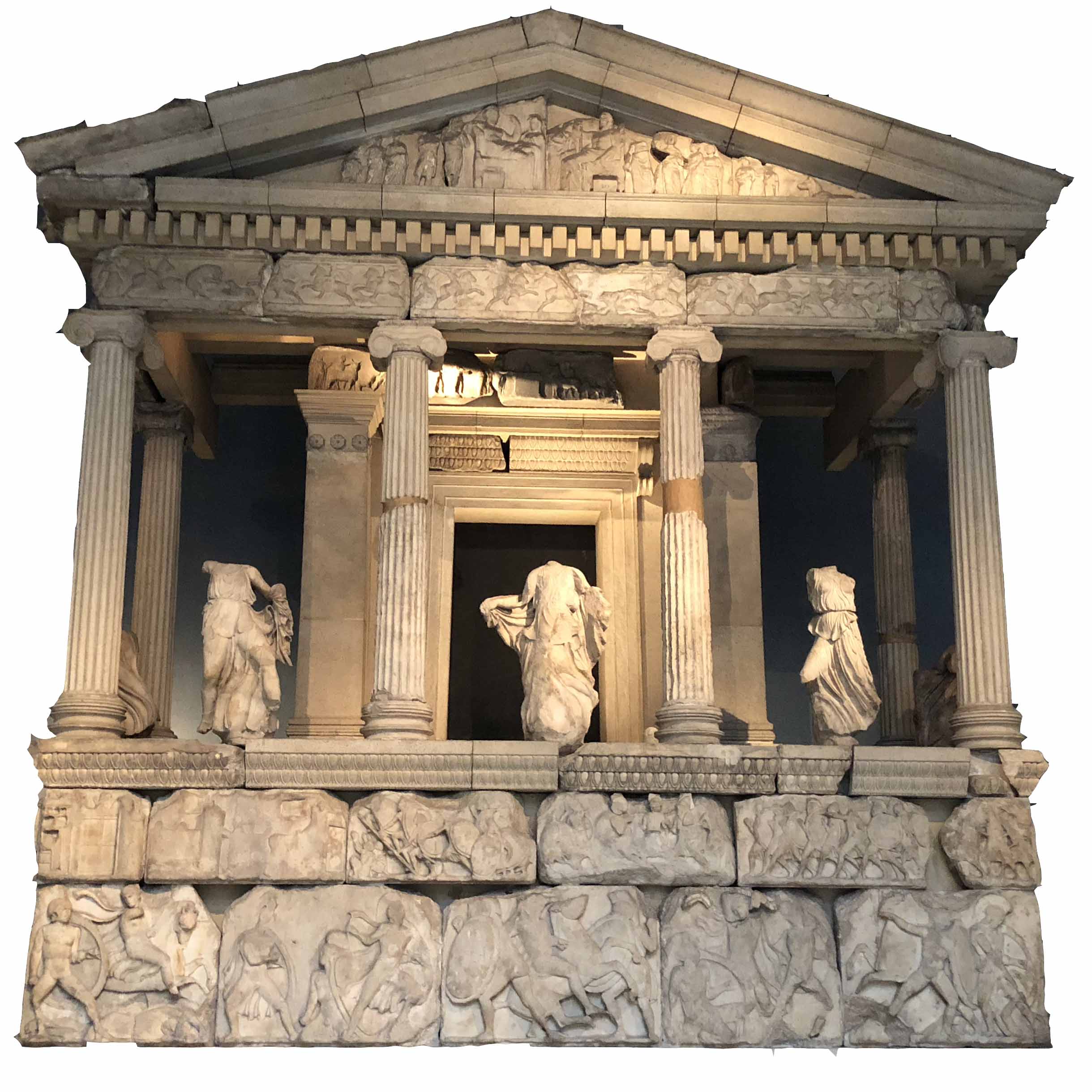
The Nereids Monument is the tomb of Erbinna, a Lycian ruler, built in the form of a temple on a ten-meter-high pedestal with columns. This colossal tomb was constructed in 400 BCE and discovered by an English traveler in 1840 on the territory of modern-day Turkey.The most dynamic feature of this sculptural ensemble is the slender and graceful bodies of the Nereids. The light and weightless nymphs seem as if they have just emerged from the sea foam onto the shore. Only a moment ago they rose from the sea floor and stepped onto dry land, and already they are whirling in a dance—each in her own way.Mythology tells us that the Nereids, daughters of the sea god Nereus, have lived in the depths of the sea for millennia, singing songs and dancing to the rhythm of the waves. They only rarely appear to people on land—in the bright moonlight. Eleven sculptures of the Nereids, which once adorned the tomb, are now arranged along the gallery wall following the reconstruction.The statues have no heads or faces, and their arms are damaged, but this strange and eerie feature has a magnetic effect on the viewer. Dolphins, cuttlefish, and seagulls are positioned at the feet of the sea princesses, and the Nereids themselves seem to have frozen in a single frame—a single glance at them is enough to understand that they are dancing wildly.

Original author’s text, preserved unchanged.
This story is part of the itinerary Read the story
08 Statue of a Winged Lion with a Human HeadHall 6 · Assyrian sculptureThe full story

880 BC

British Museum audio guide

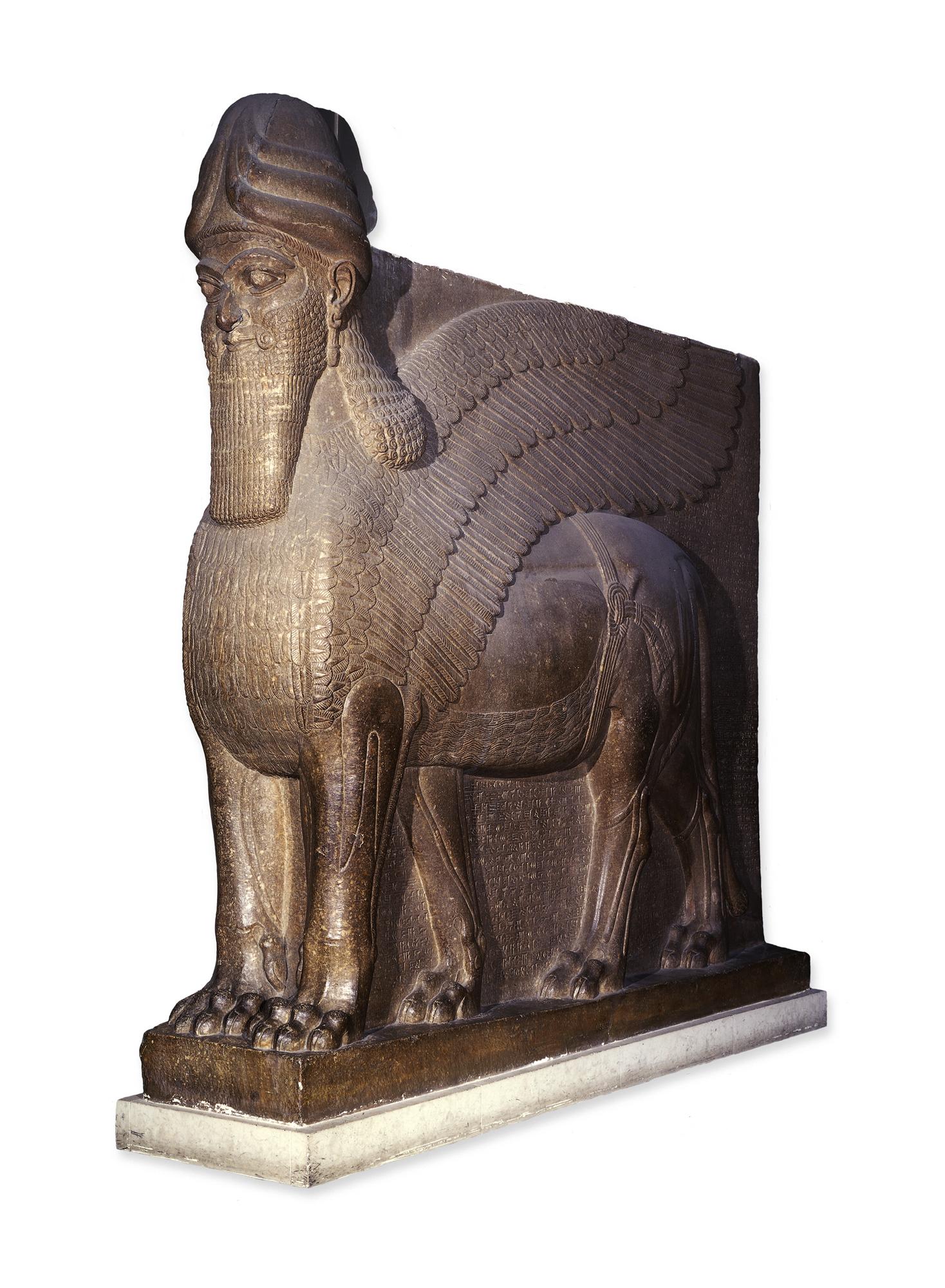
A statue of a winged lion with a human head was found among the ruins of an ancient palace built in the 880s BCE in Mesopotamia. Near the entrance to the palace, which belonged to King Ashurnasirpal, stood a statue of a bull with eagle wings and a human head. The Assyrian custom of placing stone statues of animals—particularly bulls and lions—in front of palace doors was borrowed from Sumerian beliefs. Such sculptures were placed both near the doors of the royal residence and at the entrance complexes of temples adjacent to the palace.If you look directly at the lion, as if into its face, it appears to be sitting motionless. But if you look at it from the side, you can see that it is walking. The winged lion cannot be described as either a freestanding sculpture or a bas-relief on a slab. It is something in between—a stone block with a three-dimensional figure carved into it.Incidentally, near the entrance to the temple of the goddess Ishtar, which also adjoined the Assyrian palace, stood a statue of a roaring lion. Such statues were intended not only to protect the king from spirits but also to intimidate visitors, instilling in them fear, reverence, and awe before the mighty ruler.

Original author’s text, preserved unchanged.
This story is part of the itinerary
09 The Book of the DeadHall 62 · Death and the AfterlifeThe full story

1290 BC

British Museum audio guide

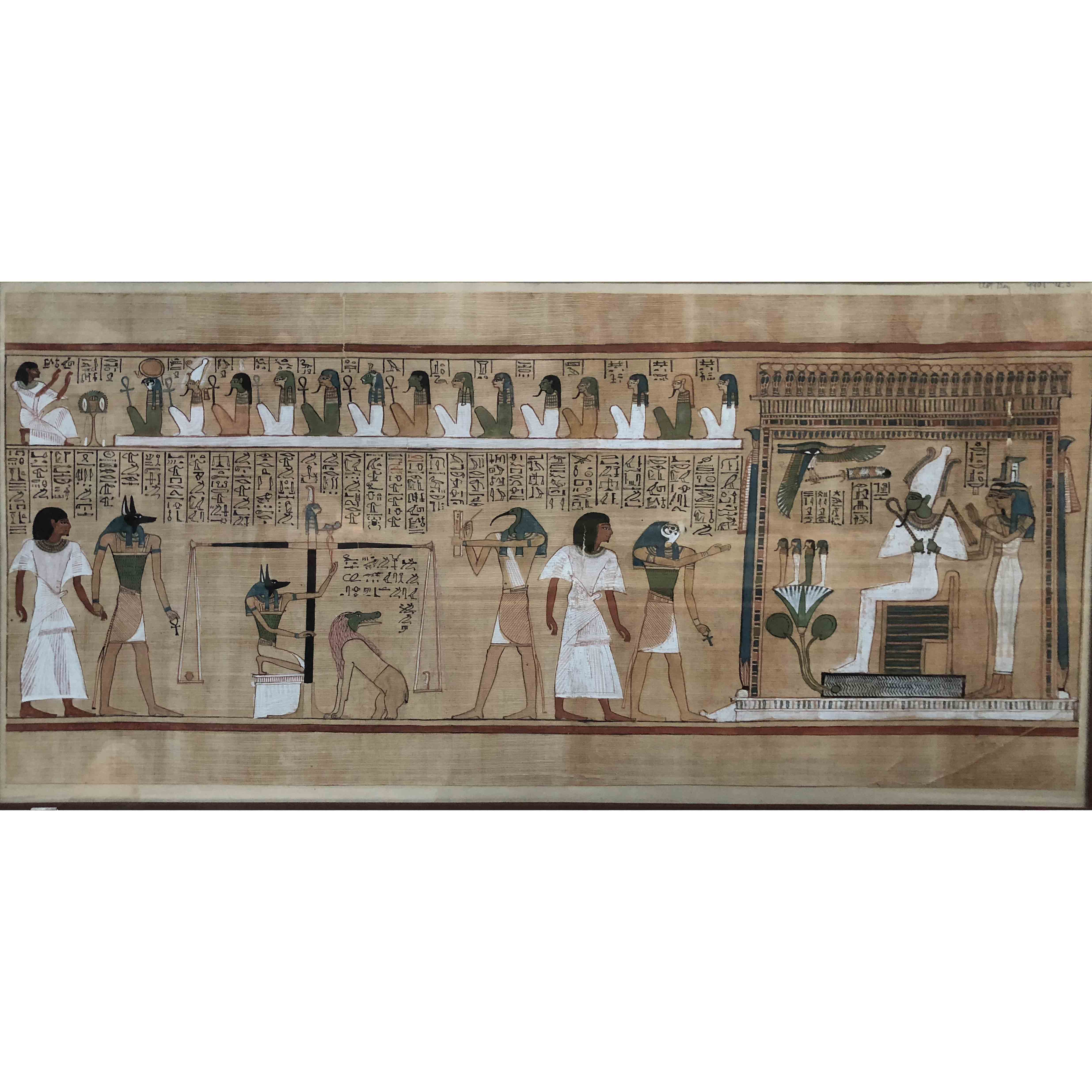
This papyrus was purchased by the French collector Antoine-Barthélemy Clot from tomb raiders and donated to the British Museum.On the papyrus, we see several illustrations of scenes from the “Book of the Dead.” The book was written for the nobility—tailored to each individual—and was a collection of spells recited over the deceased to ensure their passage to paradise.Before us is a scene of the judgment in the realm of the dead, drawn specifically for Hunefer. It was believed that spirits, demons, and hunger could prevent the deceased from reaching the judgment, which threatened eternal death. But the rituals written on the papyrus helped the soul reach the judgment and find life in paradise. By the way, paradise as the Egyptians understood it is the Nile, washing over the islets where souls grow grain and offer sacrifices to the great river. At the judgment, the deceased had to swear that he had not lied, stolen, or killed. Honesty was tested by weighing the heart. It was placed on one scale, and on the other—a feather—the symbol of Maat, the goddess of truth. If the scale did not move, it meant the deceased had not lied.On the papyrus to the right of the scales, we see Thoth—the god of scribes with the head of an ibis. A monster with the head of a crocodile and the body of a lion is looking at him—this is Amat. On the right side of the scene, Horus with the head of a falcon is depicted, leading the deceased Khunefer to the throne of his father Osiris, who is seated upon it. Behind Osiris are his sisters: Isis and Nephthys. Since Hunefer is found to be sinless, Osiris grants him a life in paradise.

Original author’s text, preserved unchanged.
This story is part of the itinerary
10 ScarabHall 4 · Sculptures of Ancient EgyptThe full story

1390 BC

British Museum audio guide

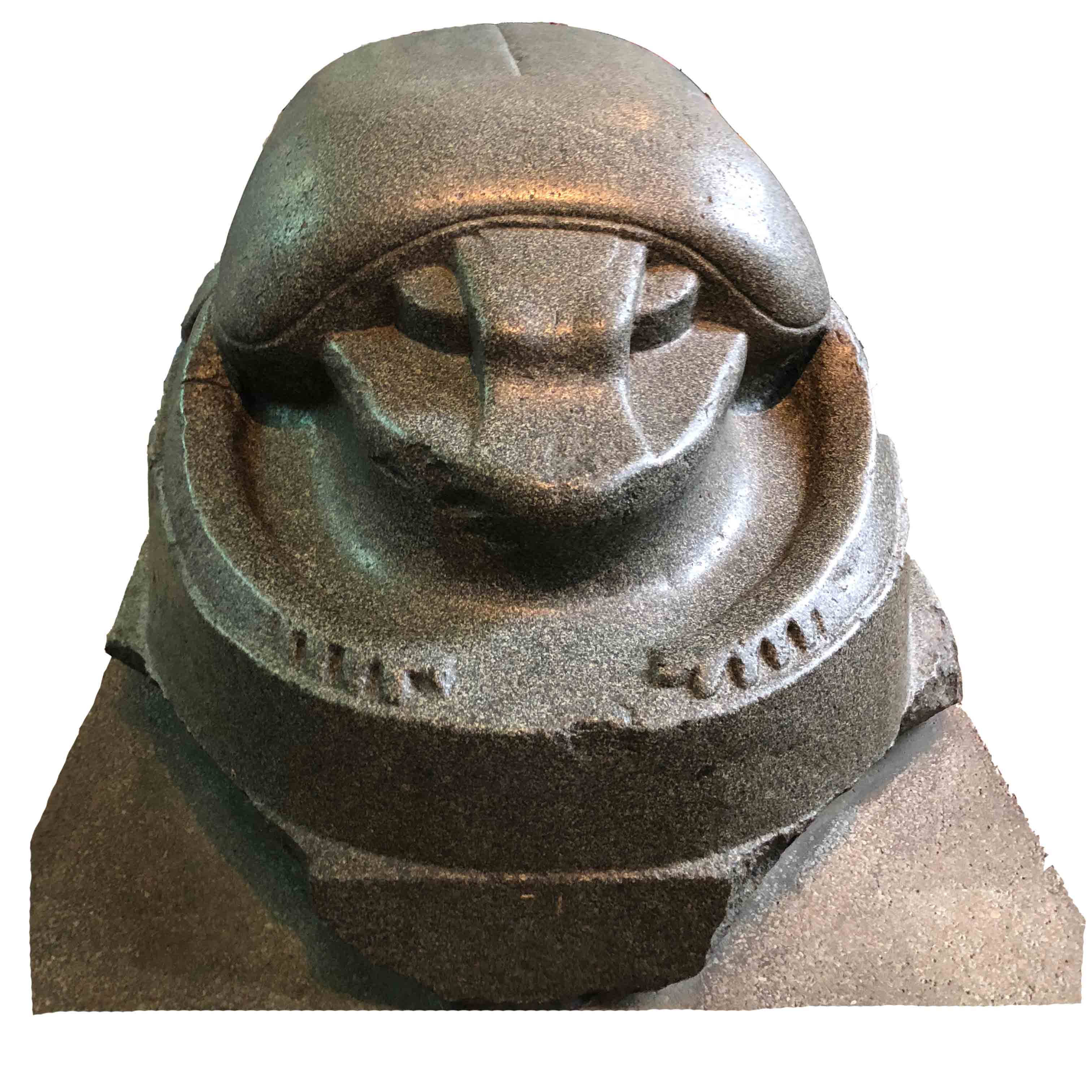
It appears that we are looking at a fragment of stone in which the outline of a certain creature is barely discernible. Upon closer inspection, one can recognize a scarab beetle. This is one of the most revered symbols of Ancient Egyptian culture. Its depictions were among the most popular in tomb paintings and papyrus decorations. The Egyptians believed that this beetle’s life mirrors the path of the Sun. Just as the great celestial body, full of vital energy and life-giving rays, sets from one end of the sky to the other, shining and warming, the beetle rolls a ball containing the eggs of its young until they are ready to hatch.The ancient Egyptians also believed that all small animals and insects are born from the silt of the Nile River, while the scarab beetle emerges from the sands of the desert, which is why it is special.It might seem like a strange analogy. But it is precisely the beetle’s measured movement from east to west that mirrors the birth and life of the Sun in the sky. That is why the ancient Egyptians regarded the scarab as a sacred insect, symbolizing the creation of the Sun and rebirth in the afterlife.

Original author’s text, preserved unchanged.
This story is part of the itinerary
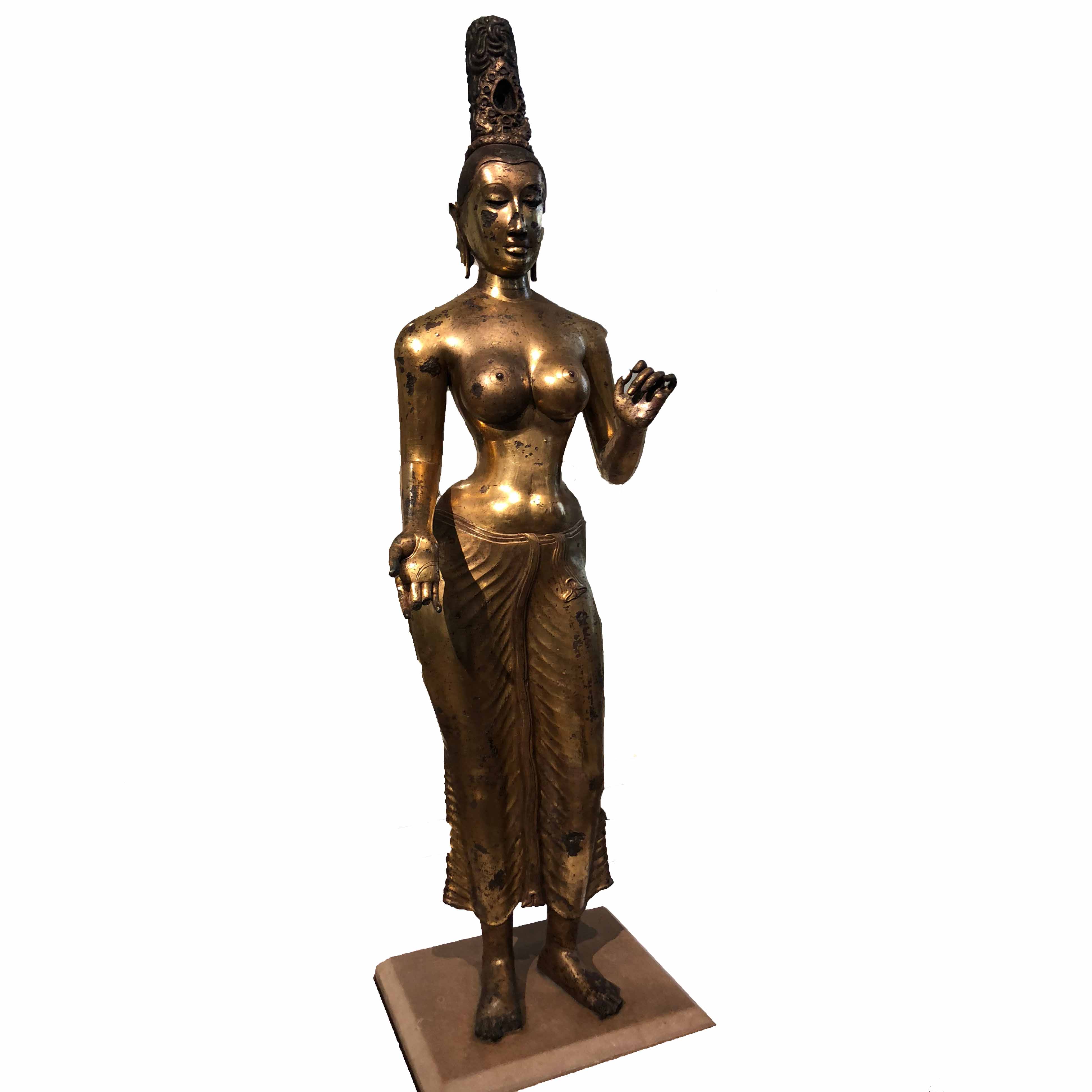
11 Bodhisattva TaraHall 33 · China, South and Southeast AsiaThe full story

700-750 AD

British Museum audio guide

Bodhisattva Tara is the principal goddess of Buddhism and the consort of the bodhisattva Avalokiteshvara. Her bronze statue was created between 700 and 750 CE and was found on the coast of Sri Lanka. It depicts Tara as a woman with an elaborate hairstyle, adorned with expensive, heavy jewelry, and a regal, beautiful figure. Her earlobes may have been stretched by the weight of precious earrings, just as Buddha’s were in his time. Or perhaps this is an embodiment of an ancient Chinese belief: the longer the earlobe, the wiser the person and the longer they will live. According to legend, when Avalokiteshvara wept over the sufferings of the world, a lotus blossomed from a tear that rolled down his face. And from that flower, Tara was born, becoming his consort, and since then they have guided humanity through countless reincarnations together. Tara is considered the most powerful goddess of compassion and the protector of humanity from danger. Today, she is the most revered goddess in Tibet, Mongolia, and Buryatia.

Original author’s text, preserved unchanged.
This story is part of the itinerary
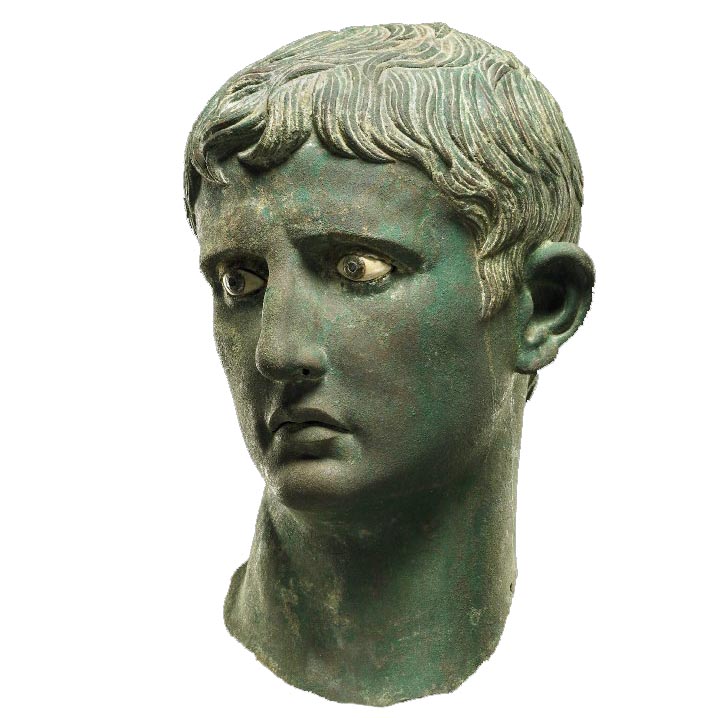
12 The Head of Augustus of MeroëHall 70 · The Roman EmpireThe full story

25 BC

British Museum audio guide

The head of the statue of Emperor Augustus was excavated in 1912 by Professor John Garstang in Sudan, in the city of Meroe.The head belonged to a statue of the Roman Emperor Augustus. He ruled for 13 years, beginning in 27 BCE. The Roman ruler conquered Egypt, and from that time on, numerous statues of Augustus appeared in Egyptian cities along the Nile. Sculptures throughout the Roman Empire served as a tribute to its most famous ruler. History tells us that Amanirena, the cruel queen of the Meroitic Kingdom of Kush, gathered the Kushites in 24 BC and led them in an offensive against Egypt. After capturing several Roman forts in southern Egypt, the Kushites symbolically beheaded a statue of the previous Roman emperor, as if marking the decline of the Roman Empire. The Kushites brought the bronze head of Augustus, which they had removed from the statue, back with them. The fierce queen buried it beneath the steps of a temple as a symbol that Rome would long lie at the feet of its conquerors. The head was found there in the early twentieth century.

Original author’s text, preserved unchanged.
This story is part of the itinerary
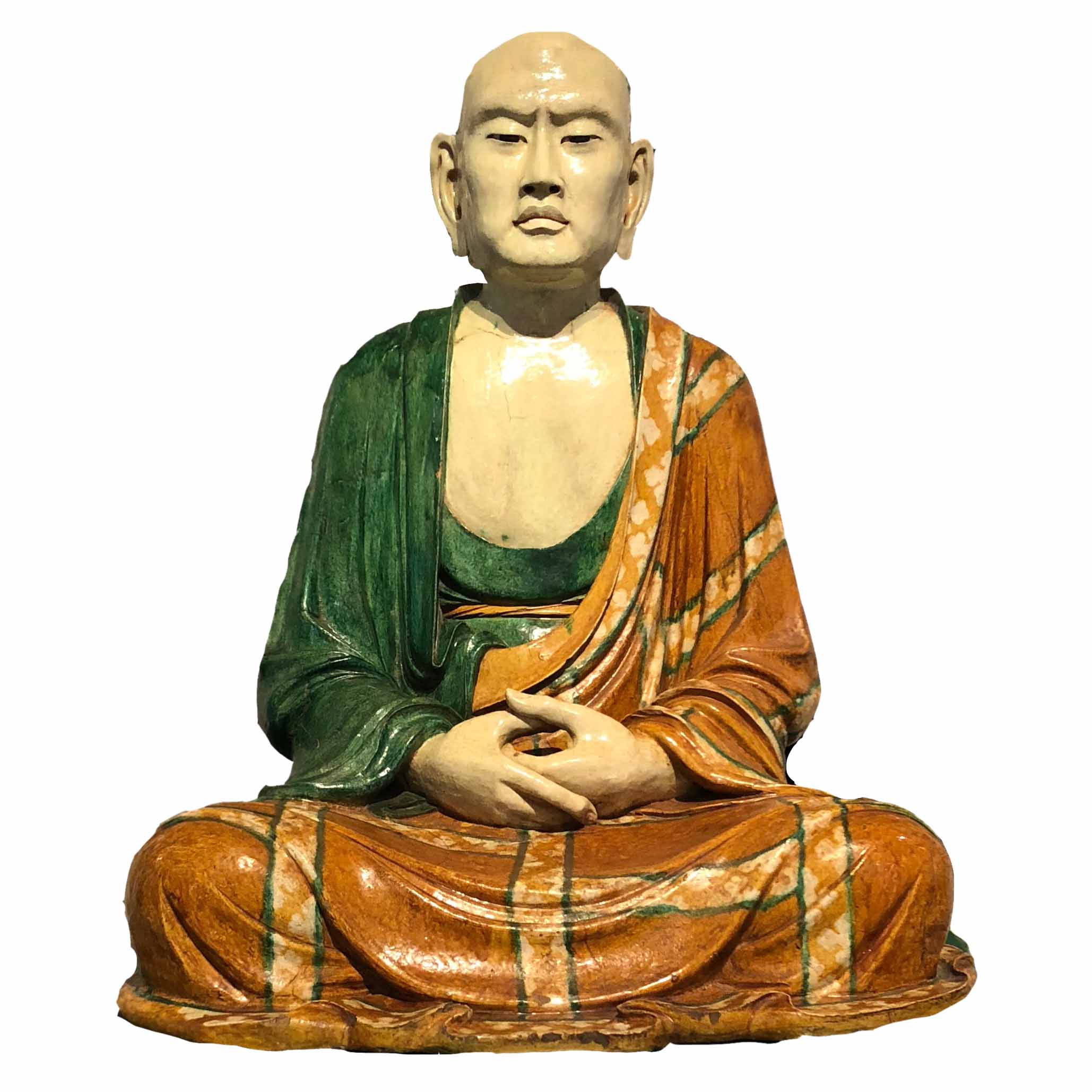
13 The Buddhist monk Liu HanHall 33 · China, South and Southeast AsiaThe full story

1115 AD

British Museum audio guide

This ceramic statue of the Buddhist monk Luohan was sculpted between the 10th and 13th centuries in Northern China. It was created during the Song Dynasty. At that time, Chinese culture reached an unprecedented peak, with its distinctive poetry, delicate painting, and, of course, exquisite sculpture. The Luohan statue was sculpted from clay and then fired in a special ceramic kiln at a temperature of 1,000 degrees. The master then coated the sculpture with colored glaze and fired it again in a less intense kiln. The master endowed the figure of the hermit, who had attained the truth of Buddhism, with the features of a specific person. Therefore, it seems as though we are looking at a portrait of a man who actually lived, with a name and a life story. This is a righteous man who renounced worldly desires, as Buddhism teaches, and thus knew neither suffering nor disappointment. Luo Han sits in the traditional Buddhist cross-legged posture, with his hands resting on his knees. He looks sullen and even stern—his nose, forehead, and eyebrows are focused and serious. But Luohan’s harshness and severity are softened by the vivid colors of his clothing—an ochre cloak and a green cape lend the figure brightness and liveliness.

Original author’s text, preserved unchanged.
This story is part of the itinerary
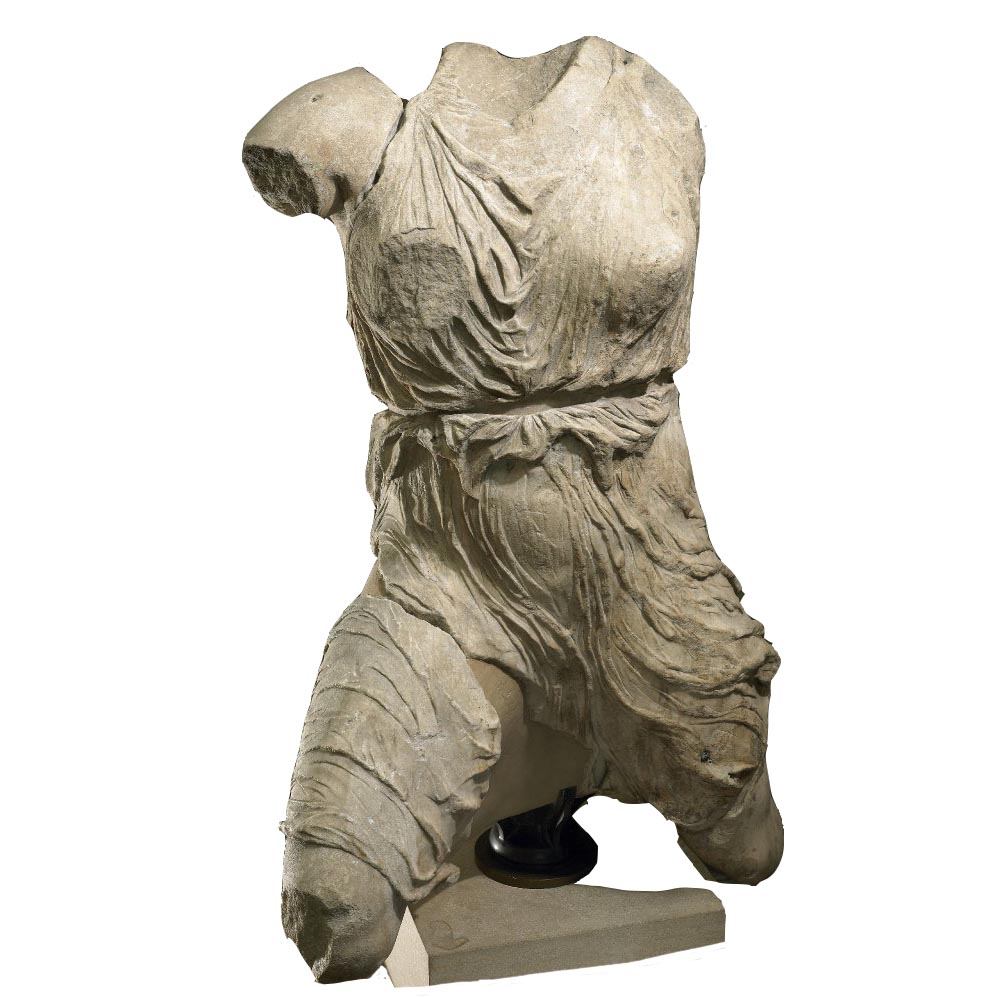
14 Sculpture of IrisHall 18 · ParthenonThe full story

438 BC

British Museum audio guide

The marble sculpture of Iris, the goddess of the rainbow, was located on the western pediment of the Parthenon. Neither the head, nor the arms, nor the legs of the statue have survived, but the aesthetics and expression emanating from the figure of Iris remain. She seems to radiate energy from within. The delicate drapery of her clothing, billowing in the wind, and its finest folds convey the image of a goddess bringing joy and light. Iris was created from a cloud as a messenger of the Greek gods. She is light as the wind, swift as a stream, tireless, and almost omnipresent, like a rainbow after the rain. Myths say that Zeus sent her with a cup to fetch water from the Styx—the river of the dead. She was the only one in the divine pantheon capable of this task—for she could be at the bottom of the sea one moment, in the heavens the next, and in the underworld the moment after that. Iris was called the golden-winged one, revered as a sea deity, and depicted flying with outstretched wings. The iris flower is named after the goddess for its beauty, grace, and brilliance. Incidentally, ten years ago, curators at the British Museum noticed faint traces of blue paint on the belt of the statue of Iris. It was this observation that led to the conclusion that the Parthenon sculptures were painted in bright colors.

Original author’s text, preserved unchanged.
This story is part of the itinerary
15 Centaur and LapithHall 18 · ParthenonThe full story

438 BC

British Museum audio guide

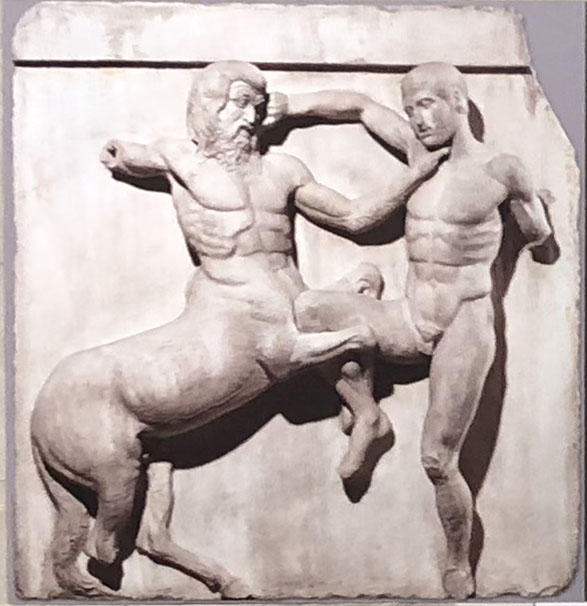
The marble metope from the Parthenon is a relief depicting the battle between a centaur and a Lapith.The Lapiths were giants belonging to a semi-mythical tribe of ancient Greece. They lived in Thessaly, as well as near Mount Olympus and on Mount Pelion, from where the centaurs—half-human, half-horse creatures—had previously been driven out. According to mythological traditions, the Lapiths and the centaurs were enemies. Depictions of their battle are among the most popular themes in ancient Greek culture. And here’s why they fought. The centaurs were invited to the wedding of the Thessalian king Peiriphoas, where, after drinking wine, they quickly became intoxicated. In their drunken state, they hatched a plan to kidnap the Lapiths’ wives and daughters. But they failed—the Lapiths noticed the plot and defended the women, and the drunken centaurs were defeated. It is precisely this battle between the enraged Lapiths and the strong, albeit tipsy, centaurs that is depicted on the metopes of the Parthenon. One metope depicts a Lapith fighting off a centaur who is holding him by the throat. It is noteworthy that the bodies of the Lapiths and centaurs are anthropomorphized—they are supple, athletically built, and resemble Greek wrestlers. It is also interesting to note how the sculptor contrasts the opponents. The Lapith is the ideal Hellene, restrained yet strong and just, while the centaur’s face is contorted with rage.

Original author’s text, preserved unchanged.
This story is part of the itinerary
16 Marble column capitalHall 22 · Alexander's WorldThe full story

320 BC

British Museum audio guide

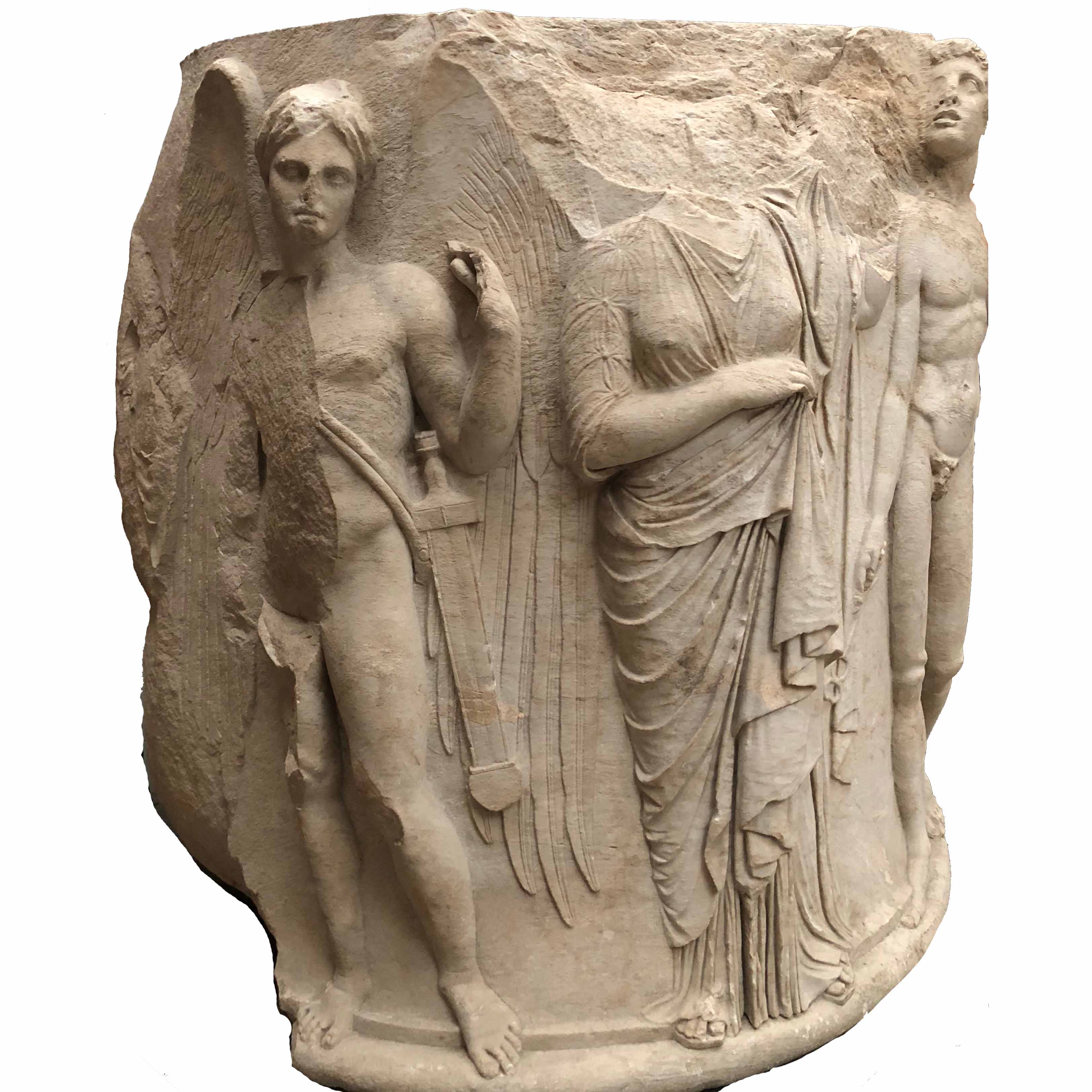
The marble column drum from the Temple of Artemis in Ephesus was discovered in the 1870s by an English explorer. The Temple of Artemis, rebuilt between 340 and 320 BCE, is one of the Seven Wonders of the World. In fact, it is a reconstruction of another Temple of Artemis, which was burned down by the reckless Herostratus in 356 BCE. The first, original temple was erected in the 5th century BC. Both it and its replica were surrounded by two rows of columns resting on 36 unique, human-sized drums. These were precisely replicated in the second temple, a fragment of which we see before us now. This drum, decorated with reliefs, illustrates the myth of Alcestis, the wife of the hero Admetus. Apollo allowed Admetus to escape death on the condition that someone else descend into the underworld. That person was Alcestis. But Heracles, wishing to save the couple, descended into the underworld, defeated the demon of death, and returned Alcestis to her husband. The bas-relief depicts the figure of Hermes holding a magic wand; next to him is Alcestis, whom he must return to the earth; to his right are Hades, ruler of the underworld, and his wife Persephone. Near Alcestis is the god of death, Thanatos, and behind him is the hero Heracles.

Original author’s text, preserved unchanged.
This story is part of the itinerary
17 AvalokiteshvaraHall 33 · China, South and Southeast AsiaThe full story

British Museum audio guide

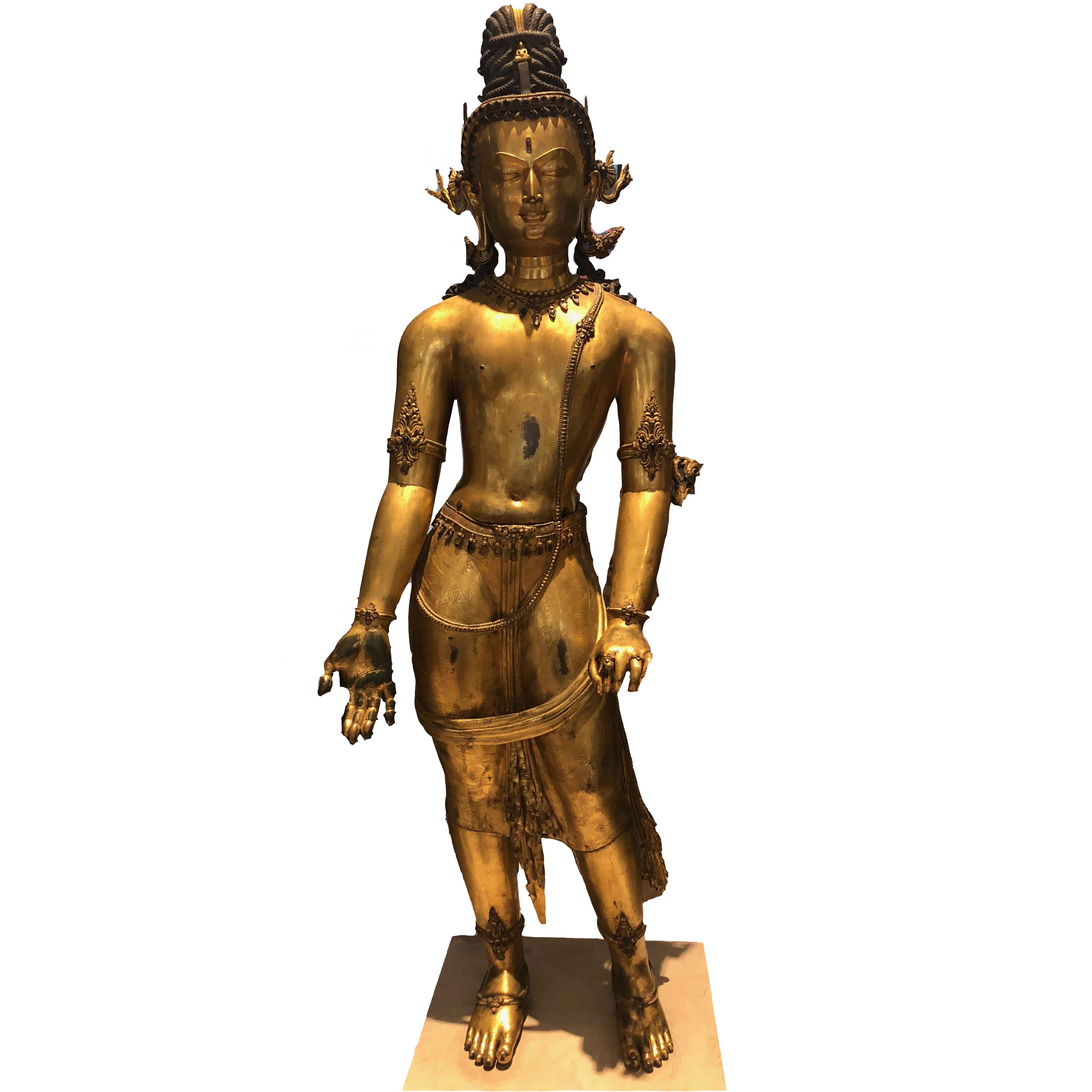
The gilded bronze statue of the bodhisattva Avalokiteshvara was made in Nepal in the 16th century. The Bodhisattva is one of the most revered deities in Buddhism. He is a symbol of the energy of compassion, which is inherent in every living being on Earth from birth.The Bodhisattva is often referred to as the deity who Listens to the Sounds of the World. It is believed that he stands on a mountain and listens to the world, discerning the cries and misfortunes of people who endlessly ask for help. He always responds to the suffering that exists in the human world, pitying people and sympathizing with them. He also neutralizes negative energy and bestows compassion on everyone without exception, regardless of their transgressions. In this way, he supposedly makes everyone equal to one another. The statue of Avalokiteshvara depicts him as a young, slender figure with an elaborate hairstyle. He wears jewelry set with precious stones around his neck, on his forearms, wrists, fingers, ankles, and feet.

Original author’s text, preserved unchanged.
This story is part of the itinerary
18 Marble female figureHall 11 · The Cyclades IslandsThe full story

2500 BC

British Museum audio guide

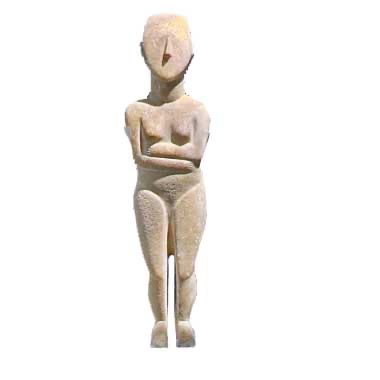
Before us stands a simple female idol, carved from marble by an unknown Cycladic sculptor in the third millennium BCE. It resembles a schematic representation of a human being rather than an actual woman. However, exactly the same features would be embodied in the works of modern avant-garde artists five millennia later.This figure lacks the features of female statues that lend them elegance. We recognize her as a woman only because of her protruding breasts and slightly rounded hips. The sculpture has no face; instead, there is a smooth surface with a prominent bump for the nose. Her arms are crossed over her chest—incidentally, this is a constant feature of all Cycladic stone idols.But despite the sparseness of artistic detail, the energy of this figure is palpable. She exudes calm, serenity, and even submission. The woman has raised her head, listening intently to something from above—or perhaps praying or singing.The Cycladic civilization existed on the islands of the same name from 3200 to 2000 BCE. The people not only raised livestock and fished but also created their own cultural heritage. They learned to make jewelry from copper, silver, and lead and discovered marble. It was this stone that became the guardian of their culture’s distinctiveness.

Original author’s text, preserved unchanged.
This story is part of the itinerary
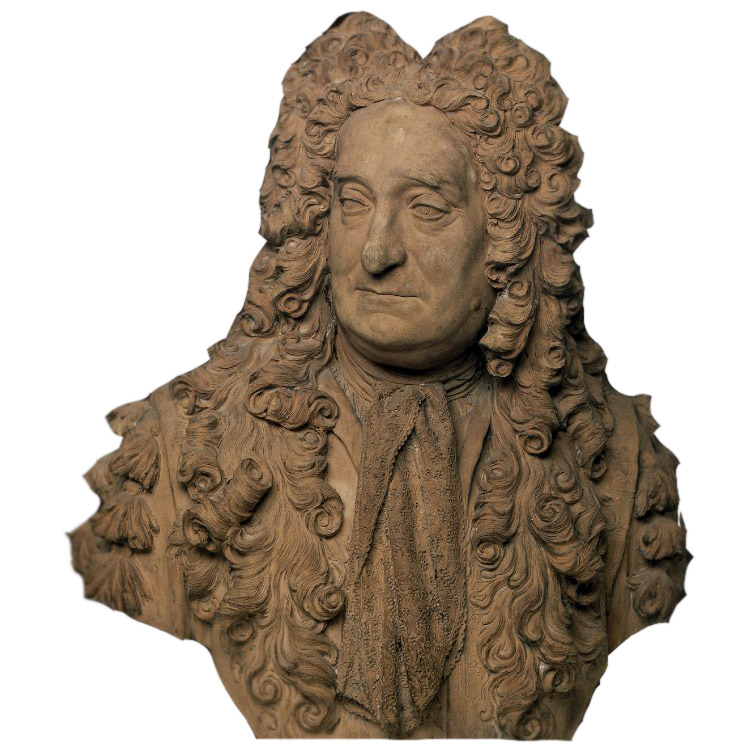
19 Sir Hans SloaneHall 1 · The EnlightenmentThe full story

British Museum audio guide

Hans Sloane—an English physician and naturalist—was born in 1660 in Northern Ireland and was a man who was quite successful and wealthy by the standards of his time. At the age of 23, Hans earned his medical degree in France, became a member of the Royal Society, and studied under the renowned physician Thomas Sydenham. At the age of 27, the physician traveled to Jamaica, described plant species unseen in Europe, and introduced the world to a new delicacy. He devised a way to improve the taste of a drink made by Jamaican natives who mixed cocoa bean powder with water. This is how England discovered the recipe for chocolate milk. Hans returned to London with a large collection of curiosities and an irresistible desire to collect antiques. The ambition to open an antique shop required a great deal of money. This gave Hans a powerful motivation to become a first-class specialist. Sloan’s medical practice among high society brought him distinguished patients: Queen Anne, Kings George I and George II, a hereditary noble title, and the prestigious position of head of the Royal College of Physicians. Sloane did indeed manage to realize his dream—at Montagu House, he assembled a colossal collection of seventy thousand authentic treasures: coins, medals, books, sculptures, and decorative objects. After Sloane’s death in 1753, as stipulated in his will, Parliament paid his executor 20,000 pounds sterling, and the collection became public. And in 1759, Hans Sloane’s collection was opened to the public free of charge, and it was expanded to include the collections of Earl Robert Harley and the library of antiquarian Robert Cotton. Now, 250 years later, we know it as the British Museum in Bloomsbury.

Original author’s text, preserved unchanged.
This story is part of the itinerary
0220–26 · Excerpt from a story7 · exhibits
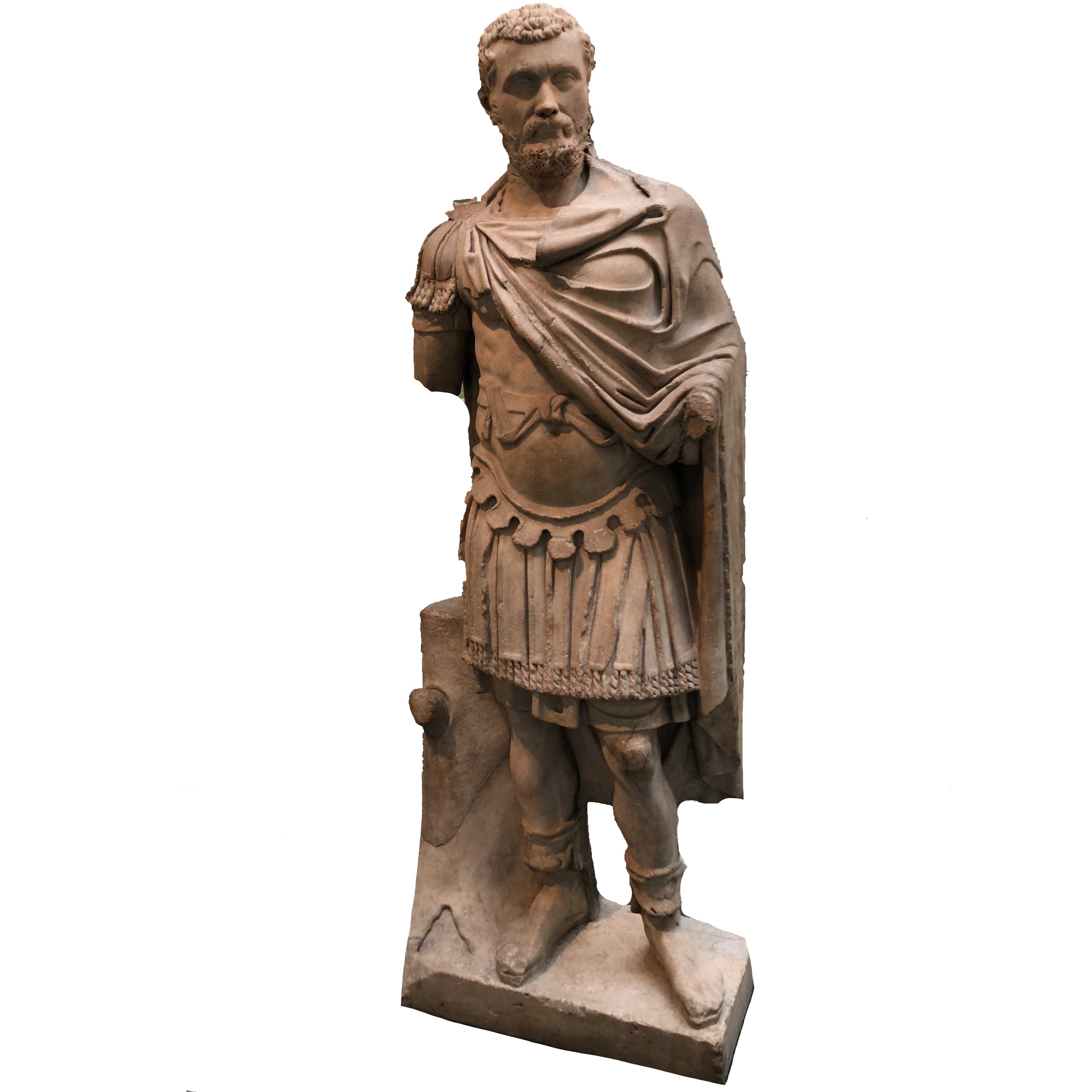
20 Septimius SeverusHall 70 · The Roman EmpireExcerpt from a story

200 AD

British Museum audio guide

Before us stands Septimius Severus—a young Roman emperor in the prime of his strength and power. The sculpture was found in the Egyptian city of Alexandria in 1801.The statue of Septimius is phenomenally detailed. Thanks to this, not only the emperor’s features but also his thoughts seem alive, clearly readable on his face. We see Septimius with a forked beard and curly hair, dressed in military attire.

An excerpt from the original text. The full story is available in the audio guide.

This story is part of the itinerary
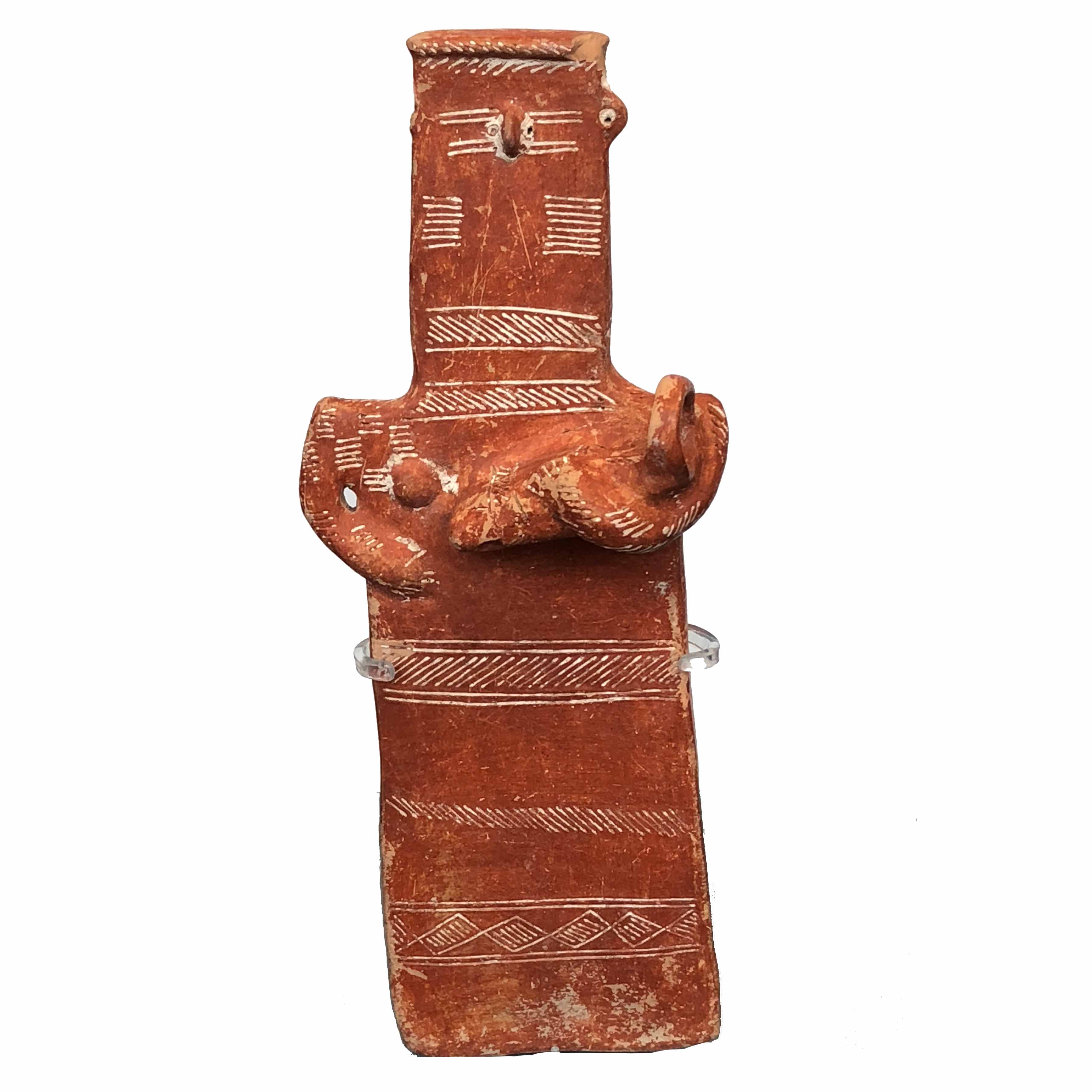
21 A woman with a childHall 72 · Ancient CyprusExcerpt from a story

1850 BC

British Museum audio guide

The figure of a woman with a child is an example of prehistoric Cypriot art. This terracotta figurine is believed to have been made between 2000 and 1800 BCE. It is not known for certain who exactly the figurine depicts or what its true meaning is. It may be an image of a mother goddess or a simple mortal woman with a child.

An excerpt from the original text. The full story is available in the audio guide.

This story is part of the itinerary
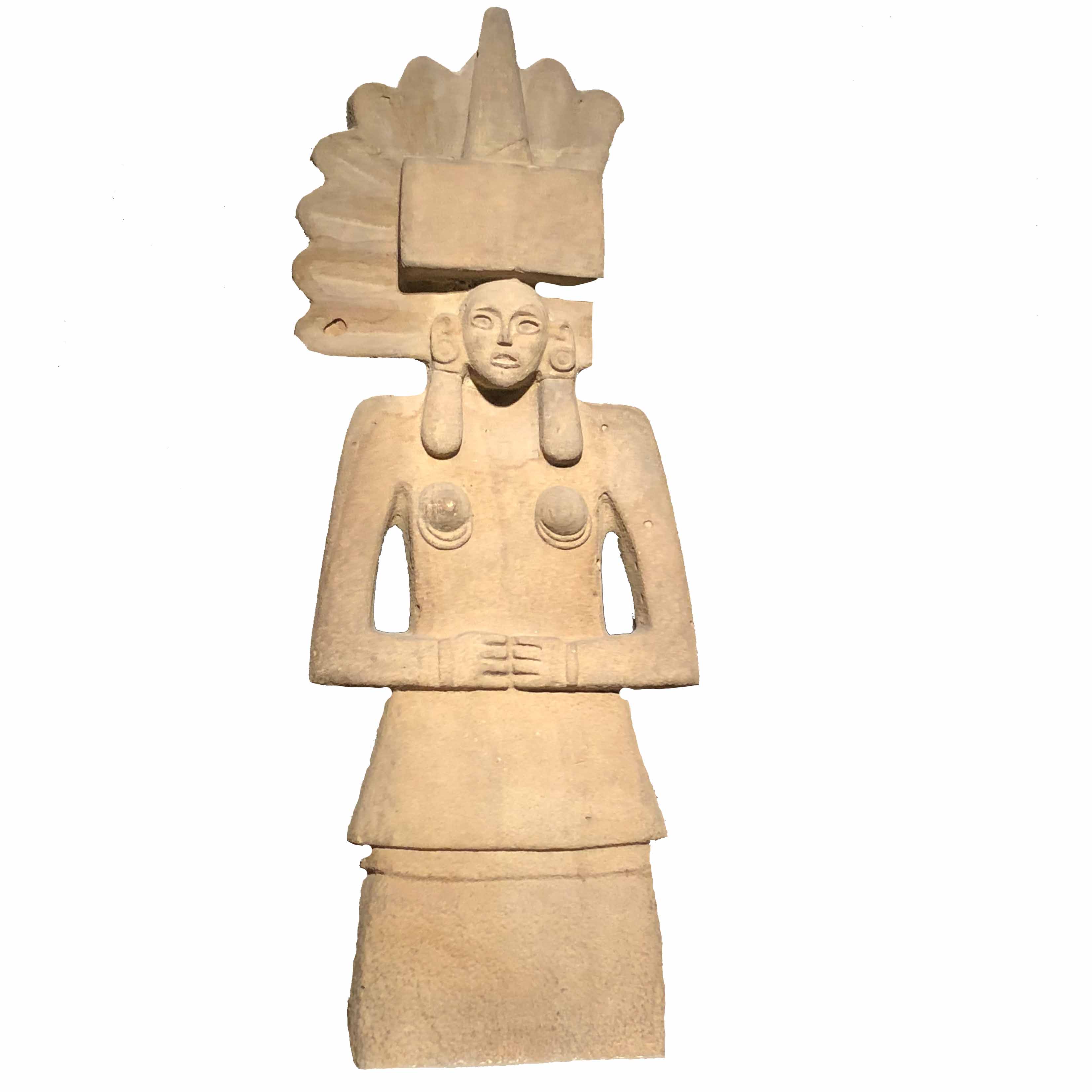
22 Sculpture of the Uaset goddessHall 27 · Life and DeathExcerpt from a story

900-1521 AD

British Museum audio guide

This stone statue of a Huastec goddess was created between 900 and 1500 BCE and was found near the Panuco River in Mexico. To the modern viewer, the sculpture may seem somewhat angular, awkward, and even frightening. But it embodies the beliefs of the ancient Huastec civilization, which lived in what is now Mexico.

An excerpt from the original text. The full story is available in the audio guide.

This story is part of the itinerary
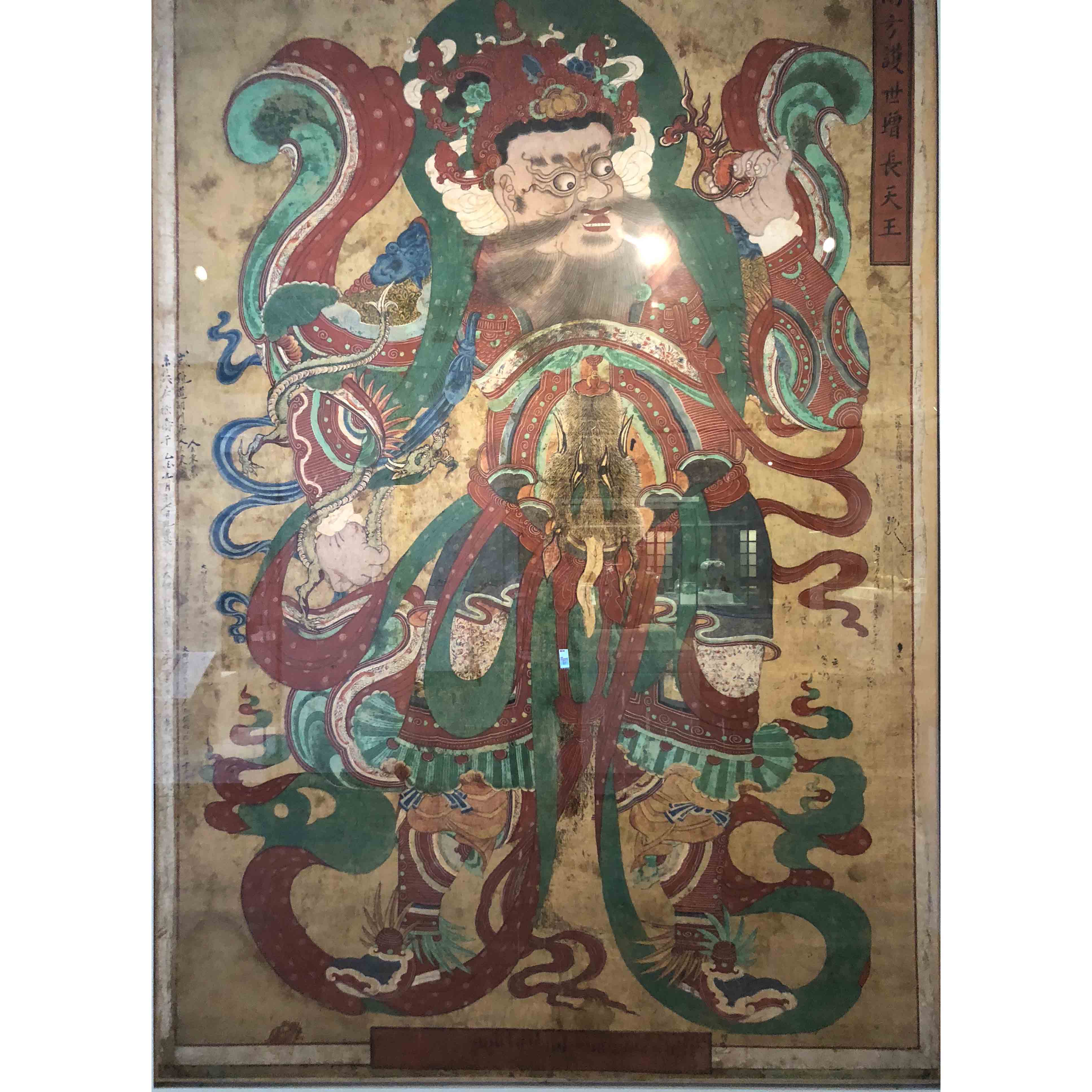
23 The Guardian King of the NorthHall 67 · KoreaExcerpt from a story

1329 AD

British Museum audio guide

This painting is executed on hemp cloth—a material made from the coarse fibers of hemp stalks.The colored painting is one half of a pair created by a Korean master between 1800 and 1820. At that time, Joseon culture dominated Korean society. It was a period of Buddhist revival following a time of persecution and oppression.At first glance, the composition resembles a tangled knot of ornaments and curls.

An excerpt from the original text. The full story is available in the audio guide.

This story is part of the itinerary
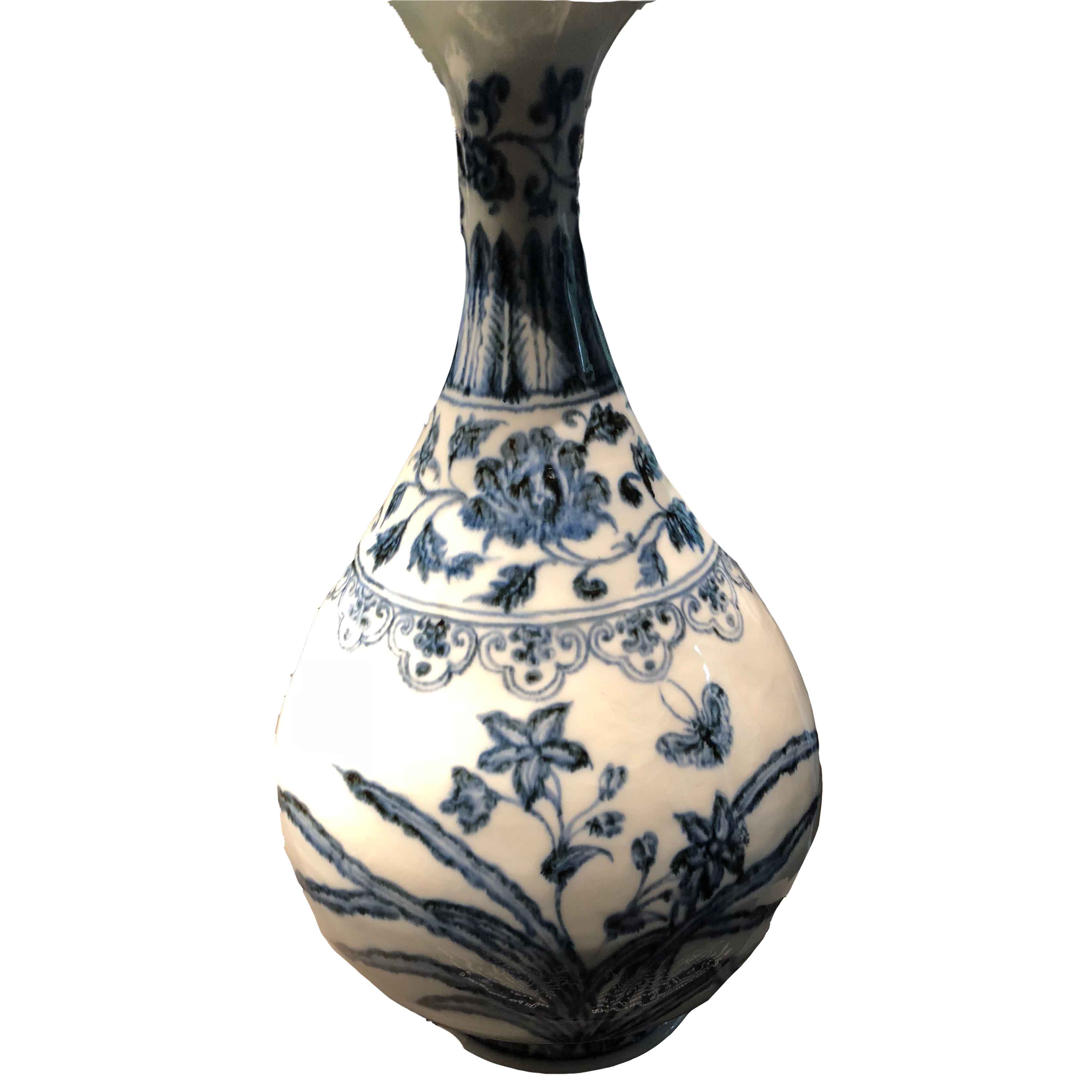
24 Vase with butterflies and liliesHall 95 · Chinese Ceramics: The Collection of Sir David PercivalExcerpt from a story

1403-1425 AD

British Museum audio guide

Before us is a vase with butterflies and lilies made of a special, hard porcelain. It was produced by firing in kilns at temperatures sometimes reaching 1,500 degrees.A design is applied to the delicate, almost weightless vase with a bluish-green glaze. The vase’s shape is classic for Chinese ceramics: rounded sides, a tapered neck, restraint, and a lack of details and decoration. The painting, however, is rich—flowers, buds, leaves, and scrolls.

An excerpt from the original text. The full story is available in the audio guide.

This story is part of the itinerary
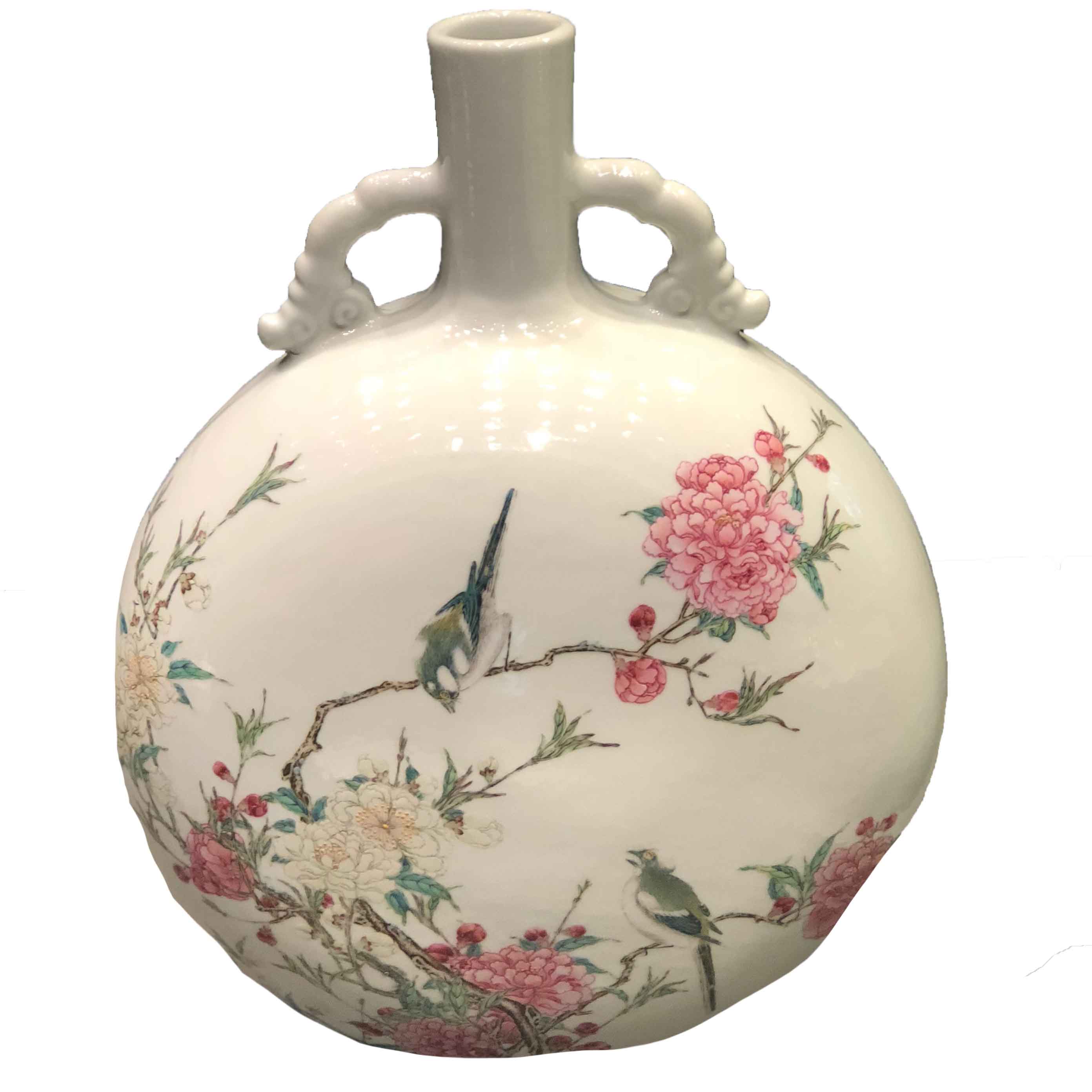
25 Vase with birds and a flowering treeHall 95 · Chinese Ceramics: The Collection of Sir David PercivalExcerpt from a story

1723-1735 AD

British Museum audio guide

This moon-shaped vessel with birds is a prime example of perfect Chinese porcelain—as thin as paper, as transparent as a tear, and as resonant as music. The shape of this vase and its curved handles are ancient, but the colors and painting style date to 1720–1735—the period of the Qing Dynasty.

An excerpt from the original text. The full story is available in the audio guide.

This story is part of the itinerary
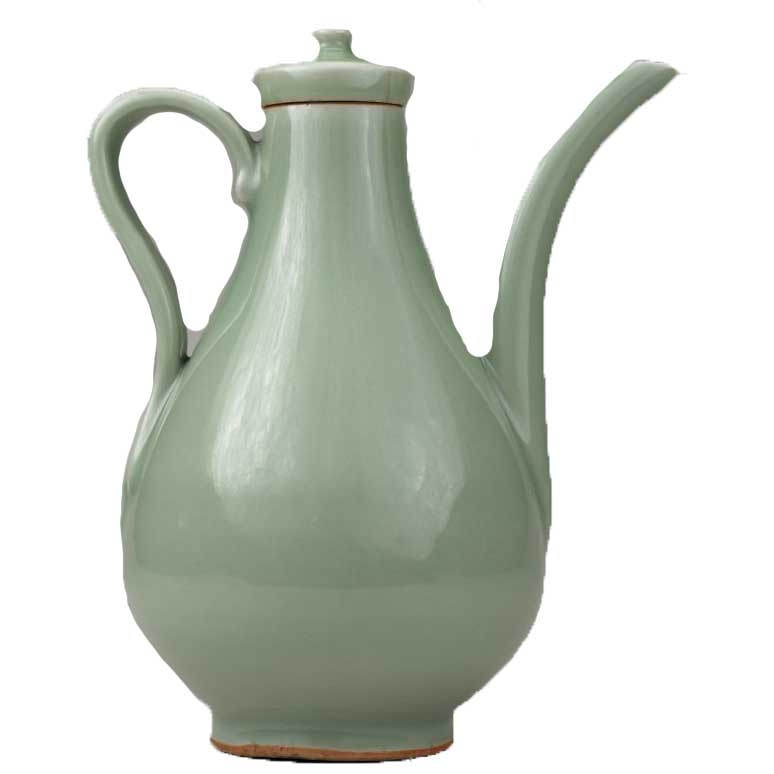
26 Pear-shaped watercressHall 95 · Chinese Ceramics: The Collection of Sir David PercivalExcerpt from a story

1300-1368 AD

British Museum audio guide

Before us is a porcelain vessel that was extremely popular in China, created using a special technique in the mid-14th century in China.In shape, it is a jug, and in function, a washbasin.

An excerpt from the original text. The full story is available in the audio guide.

This story is part of the itinerary
Privacy

There are no contact forms on the Waguide website. The main website uses Google Analytics for visitor statistics. Tiqets processes bookings and payments and may process connection data and cookies. The hosting provider may process technical connection data.

Image sources

Museum images are provided by the Waguide project. Photo of the Louvre: Diego Lopez Sebastian (Dieglop), CC BY-SA 4.0. Photo of Winged Victory of Samothrace: Mbzt, Wikimedia Commons. Reproductions of the paintings are in the public domain. Images may be cropped for display purposes.

The Louvre — Diego Lopez Sebastian · Winged Victory of Samothrace — Mbzt · CC BY-SA 4.0