
Room 6a · Assyrian sculpture
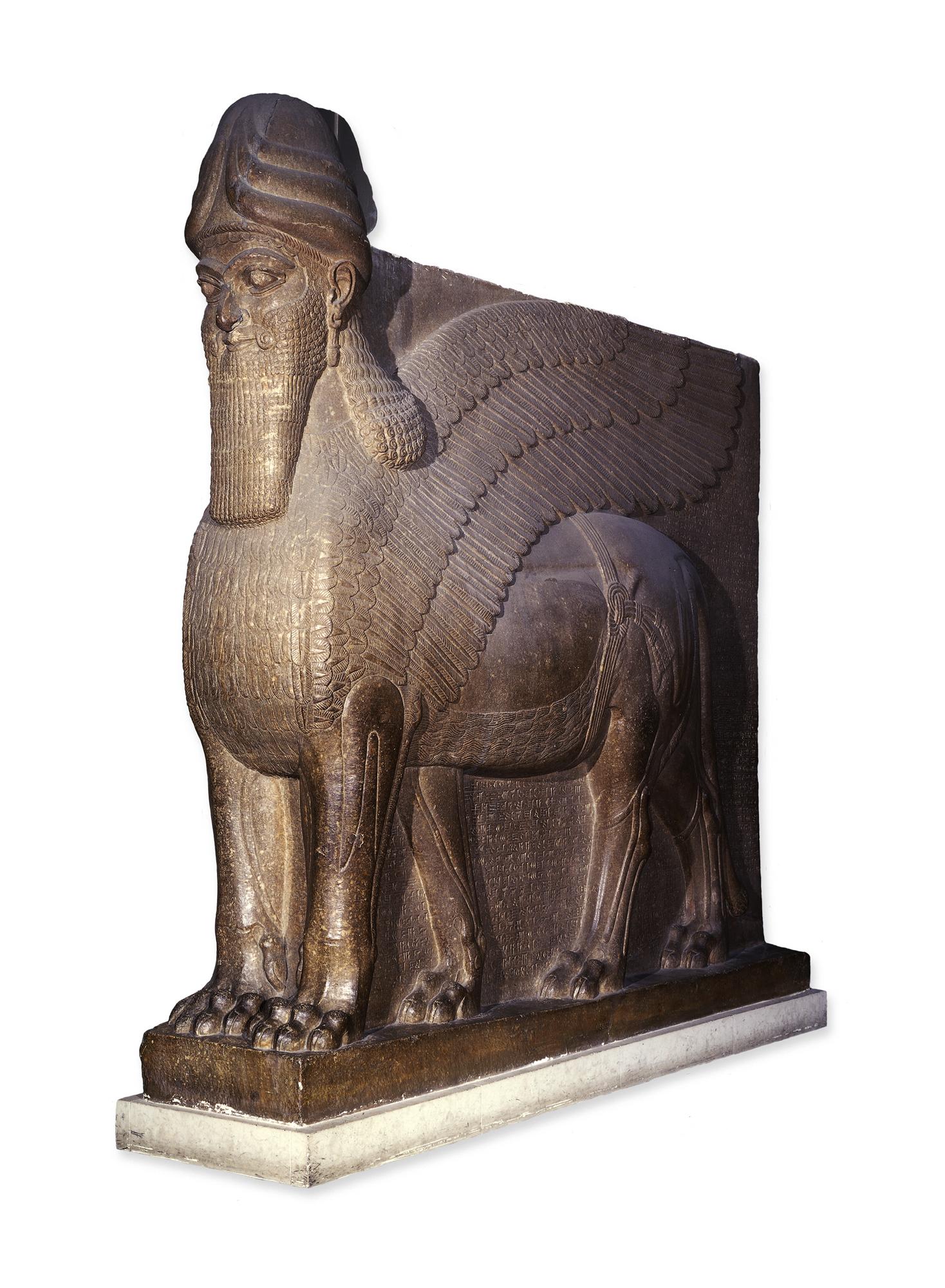
Human-headed winged lion
A palace guardian combines a human head, a lion’s body and great wings. Look for its five legs: the figure was designed to make sense when seen from the front or the side.
A first visit · Eight highlights
Choosing a few objects before you arrive can make a first visit easier to plan. These eight highlights range from ancient sculpture to Chinese porcelain and medieval chess pieces. Pick the works that interest you, use the gallery references to plan your visit, and open the stories when you want to look more closely.
Make it your visit
For a shorter shortlist, start with the Rosetta Stone, the Parthenon Horse’s Head and the Lewis Chessmen. Add Ramesses II while exploring the Egyptian sculpture gallery, or choose the David Vases if you are drawn to ceramics.
Look closer
Room 6a · Assyrian sculpture
A palace guardian combines a human head, a lion’s body and great wings. Look for its five legs: the figure was designed to make sense when seen from the front or the side.
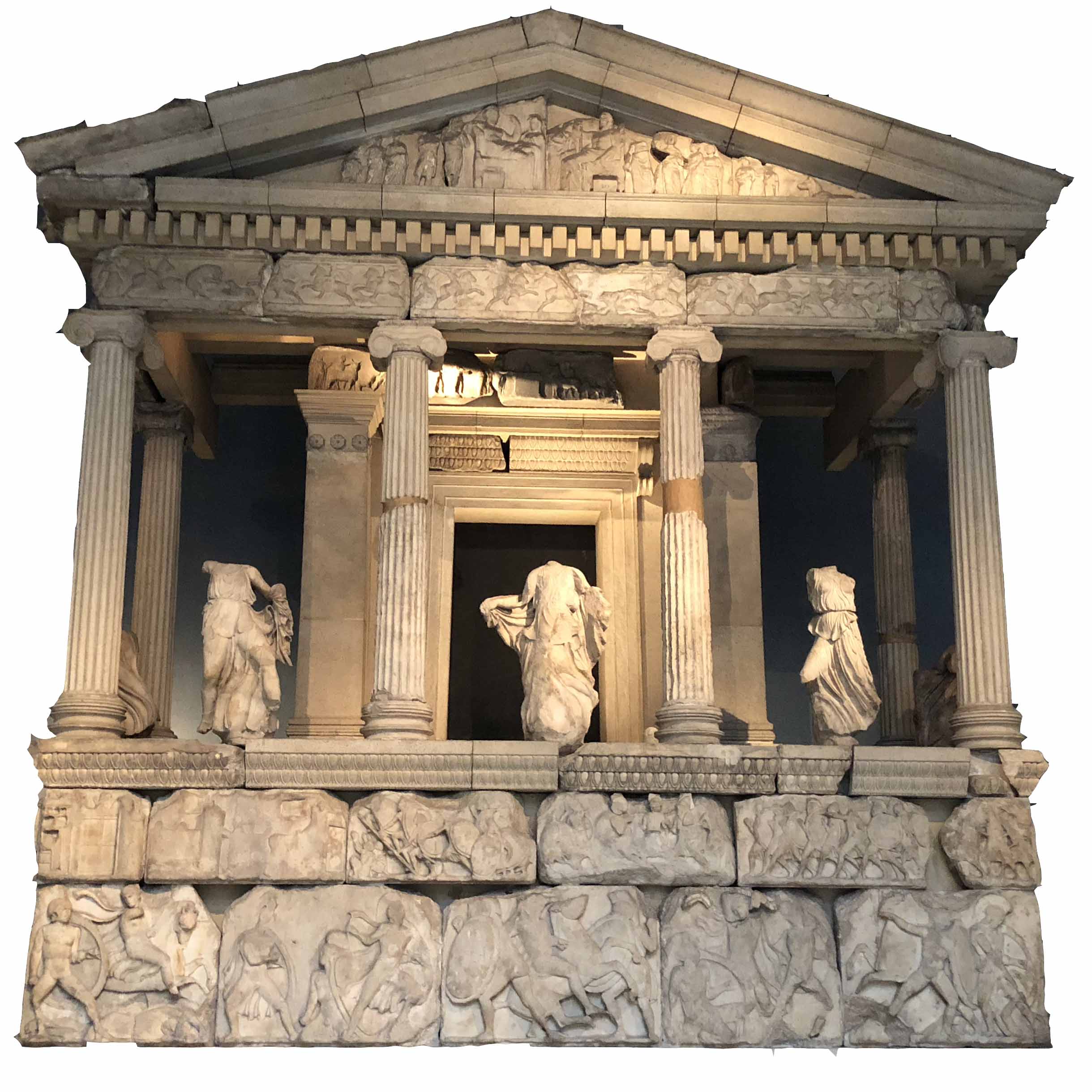
Room 17
This monumental tomb takes the form of a small temple. Look between the columns for the figures usually identified as sea nymphs, then explore the carved scenes around the structure.
Room 18 · Parthenon sculptures
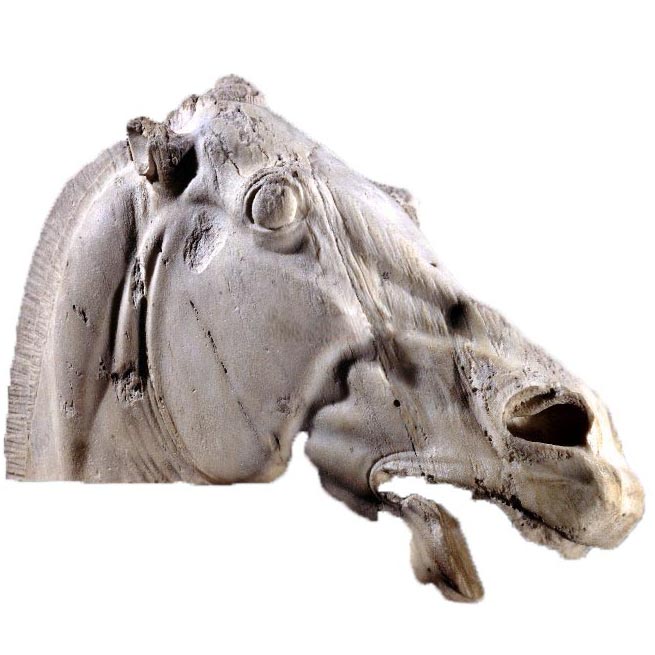
An open mouth, flared nostrils and a bulging eye give this marble horse a striking sense of effort. Look closely at how the sculptor makes stone suggest a living animal.
Room 4 · Egyptian sculpture
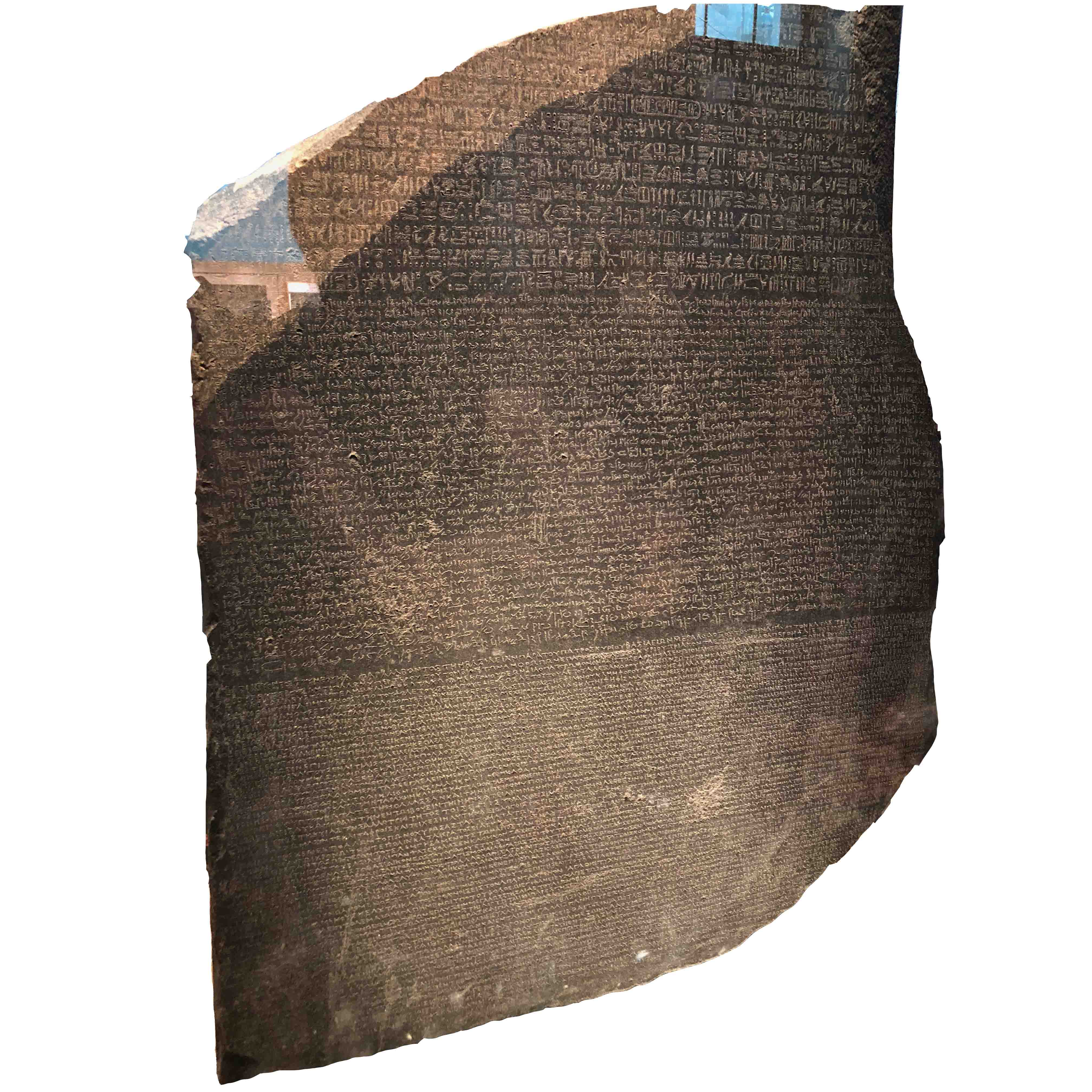
Three scripts on one stone helped scholars decipher Egyptian hieroglyphs. Compare the bands of writing before opening the story of how this fragment became a key to reading ancient Egypt.
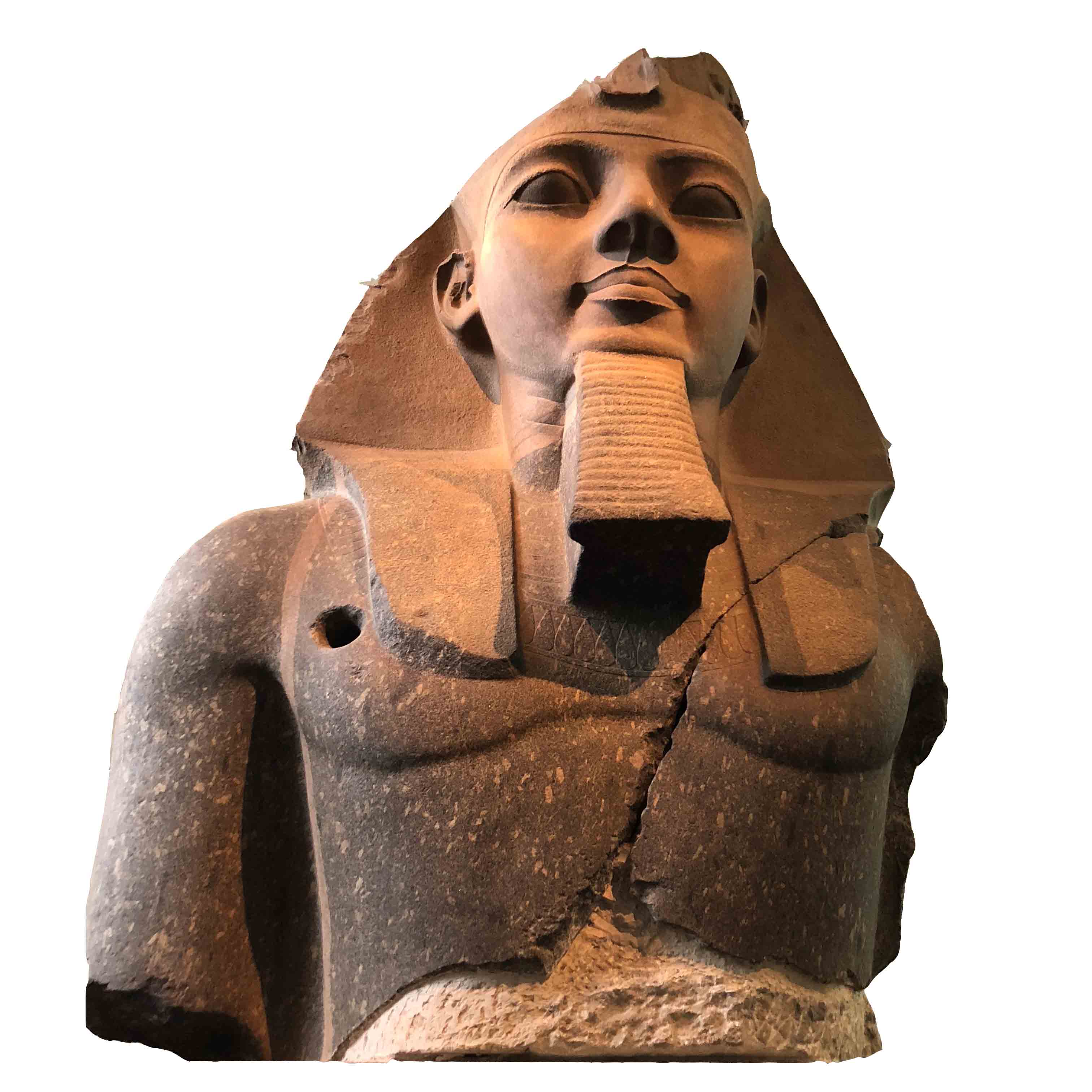
Room 4 · Egyptian sculpture
The colossal bust of Ramesses II makes royal power visible through scale. Pause to study the face and headdress, then compare its monumental presence with the smaller objects on your list.
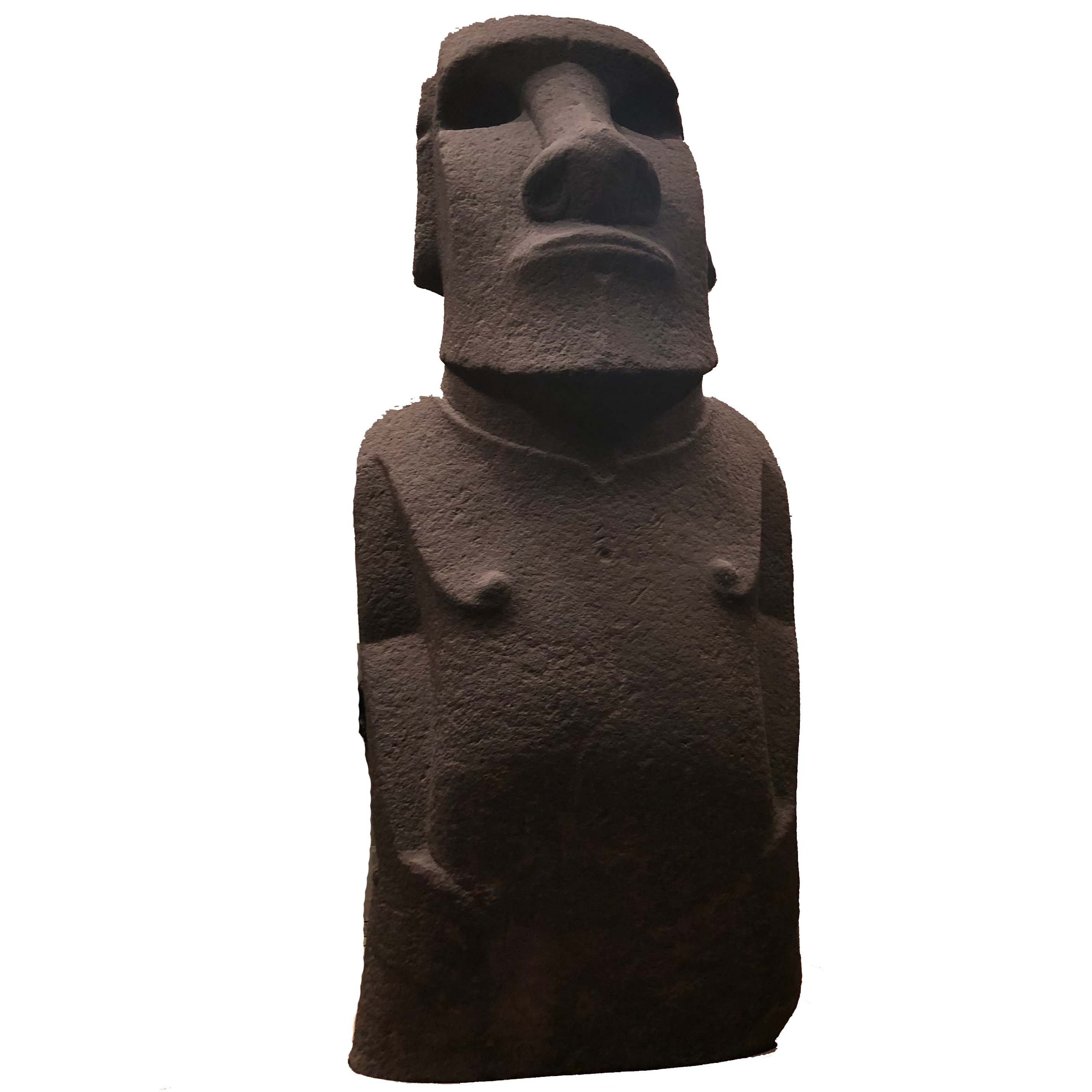
Room 24 · Living and Dying
Meet Hoa Hakananai’a, a moai from Rapa Nui, also known as Easter Island. Begin with the strong brow and long nose, then follow the outline of the arms against the body.
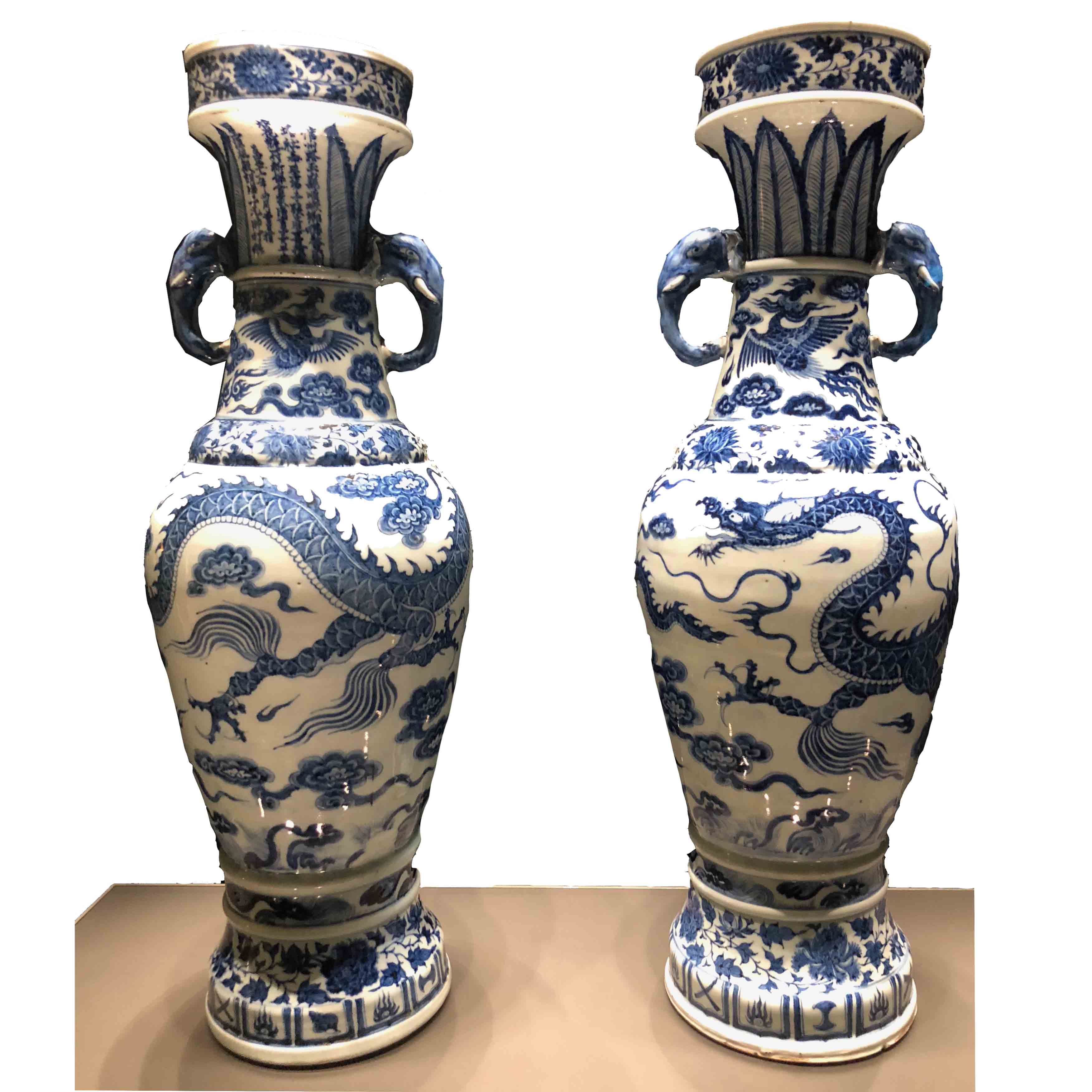
Room 95 · Chinese ceramics
These blue-and-white porcelain vases carry inscriptions recording a temple dedication in 1351. Look for the dragons around their bodies and the elephant-head handles: small details reward a closer view.
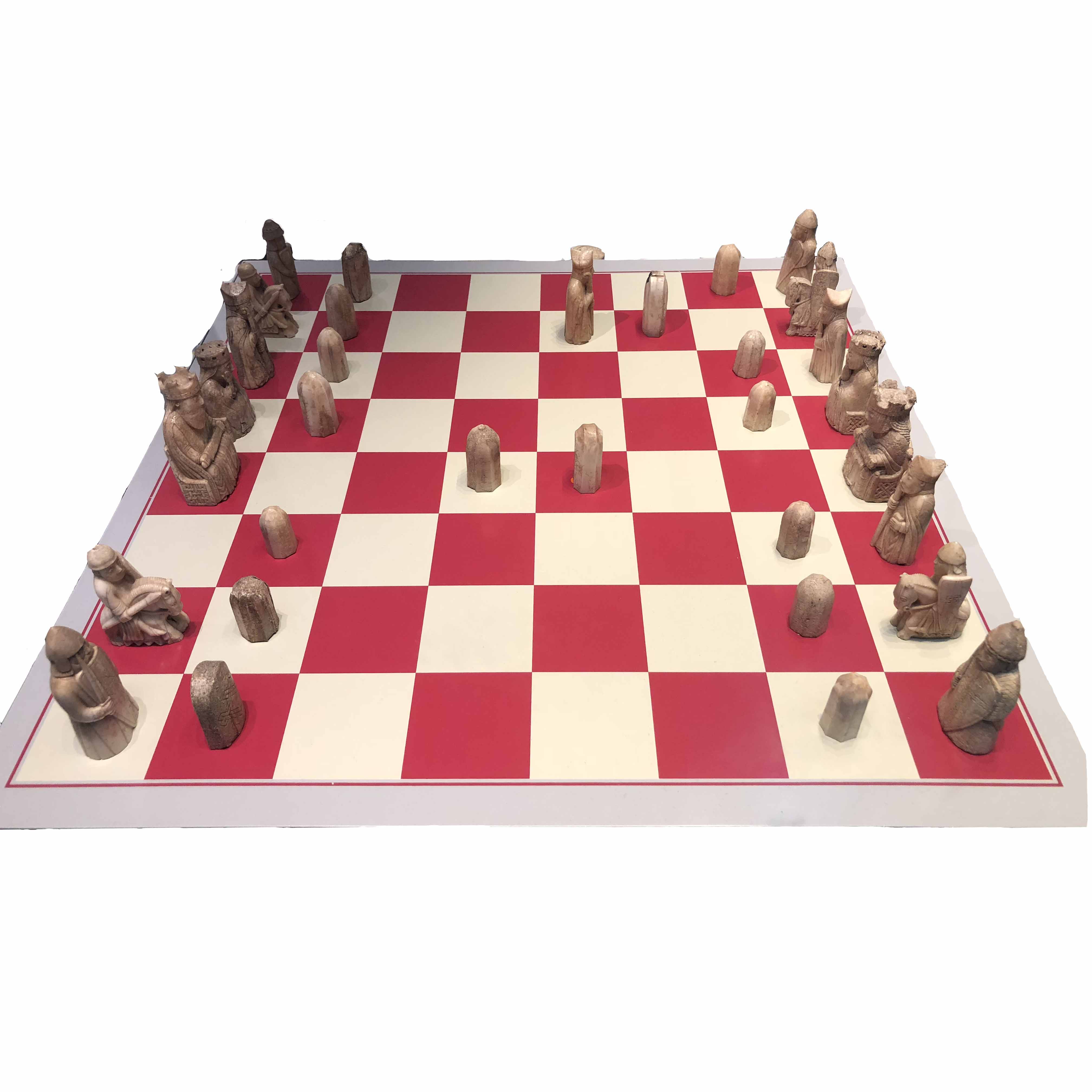
Room 40 · Medieval Europe
These medieval chess pieces turn a board game into a gathering of small characters. Compare the faces, clothing and equipment of the figures, and notice how much detail fits into each carving.
Your next step
The cards in this selection follow the order of their stops in Waguide’s existing route. Choose the objects that interest you and use the museum’s current map to plan your walk. The Rosetta Stone and Ramesses II share Room 4. Check current gallery information before your visit.
Check the museum’s visitor informationThere are no contact forms on the Waguide website. The main website uses Google Analytics for visitor statistics. Tiqets processes bookings and payments and may process connection data and cookies. The hosting provider may process technical connection data.
Museum images are provided by the Waguide project. Photo of the Louvre: Diego Lopez Sebastian (Dieglop), CC BY-SA 4.0. Photo of Winged Victory of Samothrace: Mbzt, Wikimedia Commons. Reproductions of the paintings are in the public domain. Images may be cropped for display purposes.
The Louvre — Diego Lopez Sebastian · Winged Victory of Samothrace — Mbzt · CC BY-SA 4.0